
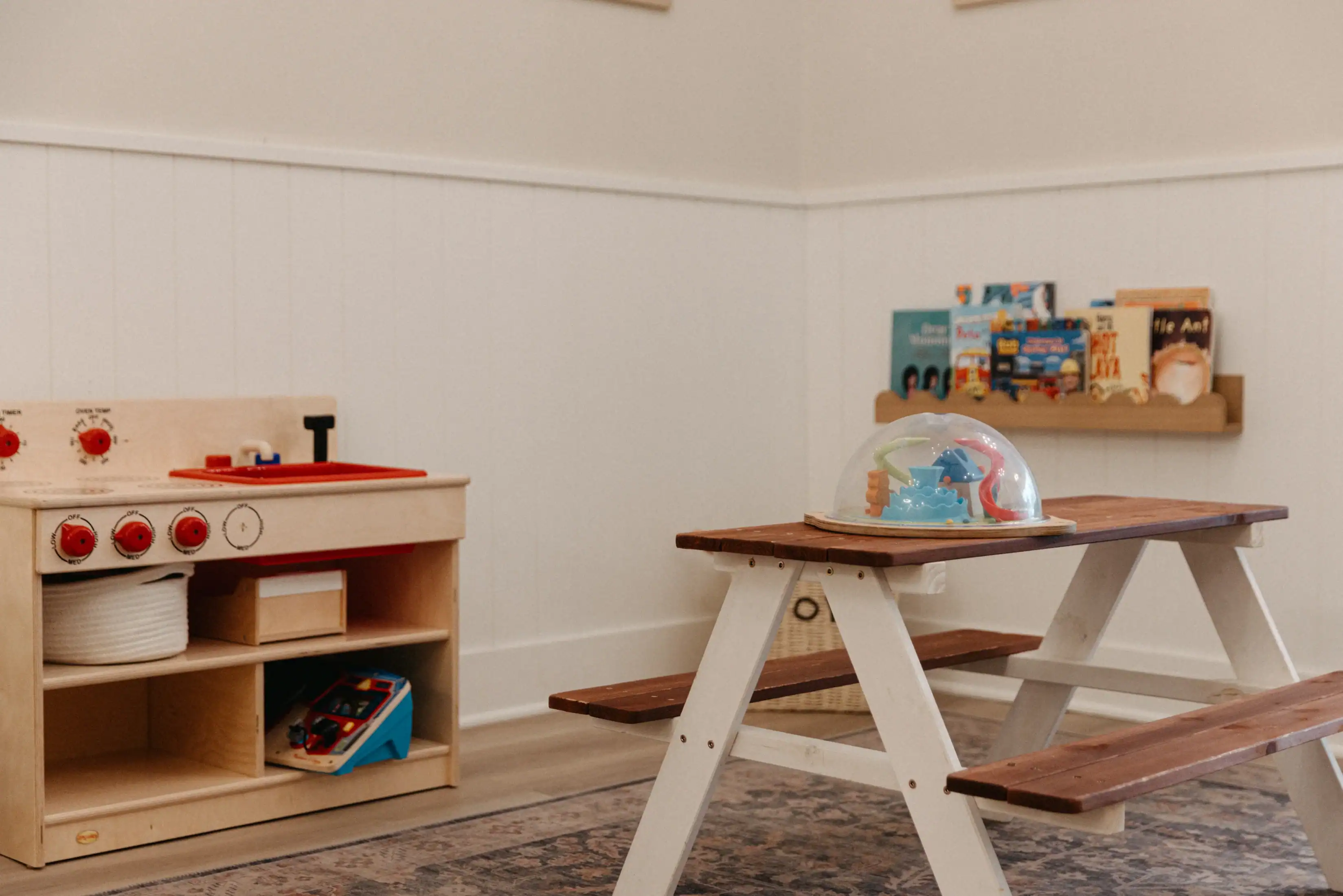
Sensory play isn’t just a fun way to pass the time. It actively supports your toddler’s brain development, emotional regulation, and school readiness. This guide covers everything from sensory activities for toddlers to recognizing when your child’s sensory responses might need professional chiropractic support.
Why Sensory Play Matters More Than You Think
Sensory play is one of the most powerful things you can offer your toddler, and the research backs that up. A study in SUNY Cortland’s Honors Theses found that sensory play had a measurable positive effect on the behavior of young children. A systematic review published in the American Journal of Occupational Therapy found that scheduled sensory activities have the potential to benefit school performance and behavior in children with sensory processing differences, though the researchers noted the current evidence is still limited and called for more research.
That’s not just good news for later in the classroom. It’s a compelling case for what’s happening right now, on your kitchen floor with a bin of rice.
Toddlers are building neural connections at a staggering rate during the early years of life. Sensory play is the raw material for that process. When your child squishes playdough, splashes water, or runs their fingers through dried beans, their brain is literally wiring itself. Touch, movement, sound, and texture aren’t distractions from learning; they are the learning.
What makes sensory play particularly valuable is that it isn’t passive. Your toddler isn’t watching a screen or following instructions. They’re exploring, problem-solving, and regulating their own experience in real time. That builds emotional regulation skills alongside cognitive ones.
Most of it costs almost nothing and takes very little setup. Let’s look at where to start.
What is a Sensory Bin? Why Every Toddler Needs One
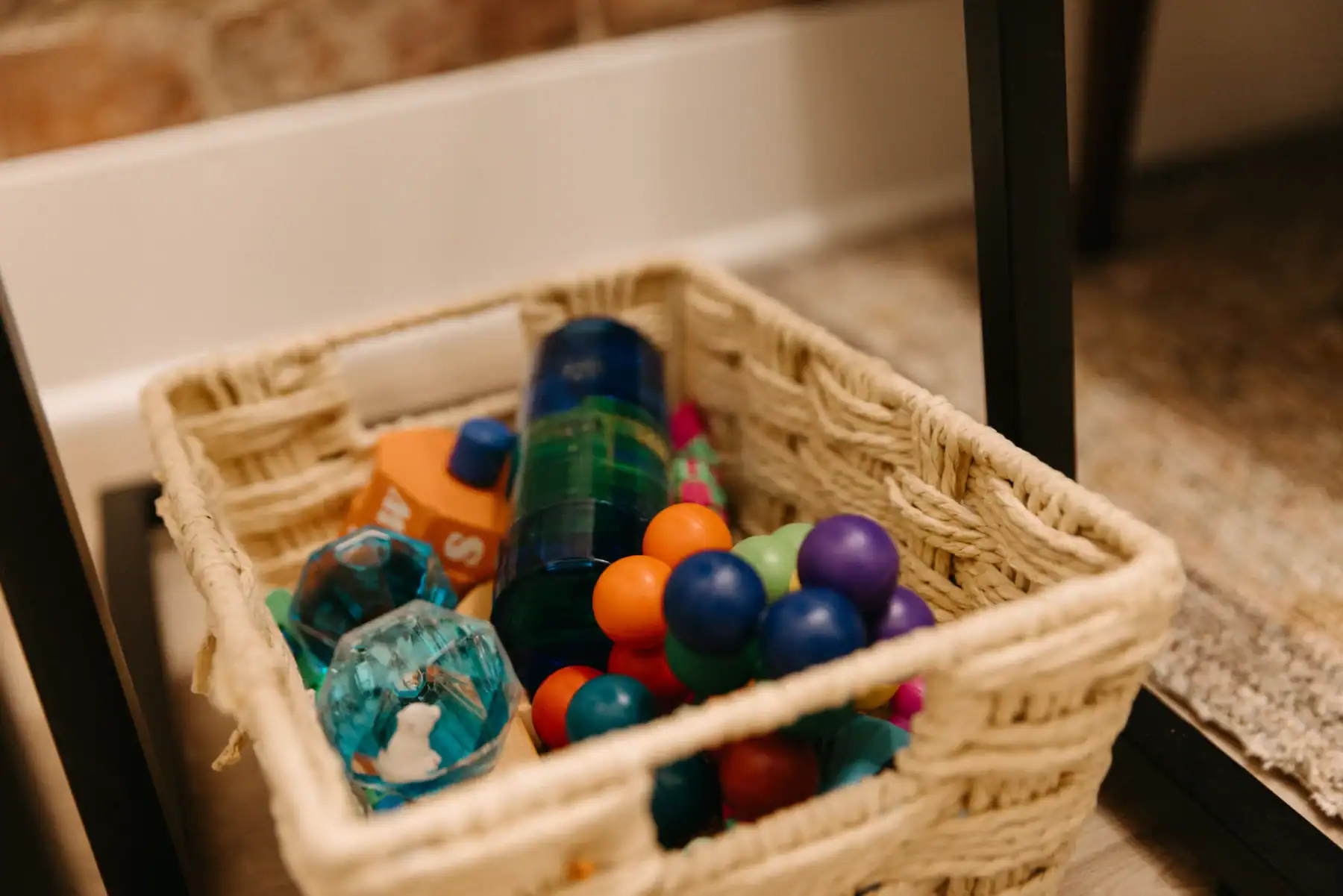
A sensory bin is simply a container filled with materials that invite your toddler to explore using their hands, tools, and imagination. Think of it as a small, contained world designed for touching, pouring, scooping, and discovering.
Every sensory bin has three basic parts:
- The base material is what fills the bin: rice, water, sand, kinetic sand, dried beans, oats, or shredded paper. This is the main texture your child will interact with.
- The tools are what your child uses to explore: spoons, measuring cups, funnels, tongs, small containers, or toy shovels. These extend the play and build fine motor skills.
- The add-ins are optional extras that give the bin a theme: small toy animals, seasonal figurines, fake gems, or colored pasta. Add-ins aren’t required, but they keep things fresh and interesting.
- A note on safety: For toddlers under age 3, always supervise sensory bin play and avoid small add-ins that could be a choking hazard. Stick to larger toys, and skip dried beans or small pebbles for babies and young toddlers who still mouth everything.
For vessels, a shallow plastic storage tote, an under-bed storage bin, or a basic water table all work well. You don’t need anything fancy.
How to Put a Sensory Bin Together From Scratch
Building your first bin takes about 10 minutes. Start with a base material you already have: a bag of rice, a cup of flour, or plain water all work. Add a few scooping tools from your kitchen drawer. If you want a theme, toss in a handful of toy animals or seasonal items. That’s it. You now have a sensory bin. The goal is engagement, not perfection, and your toddler will do the rest.
Best Sensory Activities for Toddlers by Developmental Stage
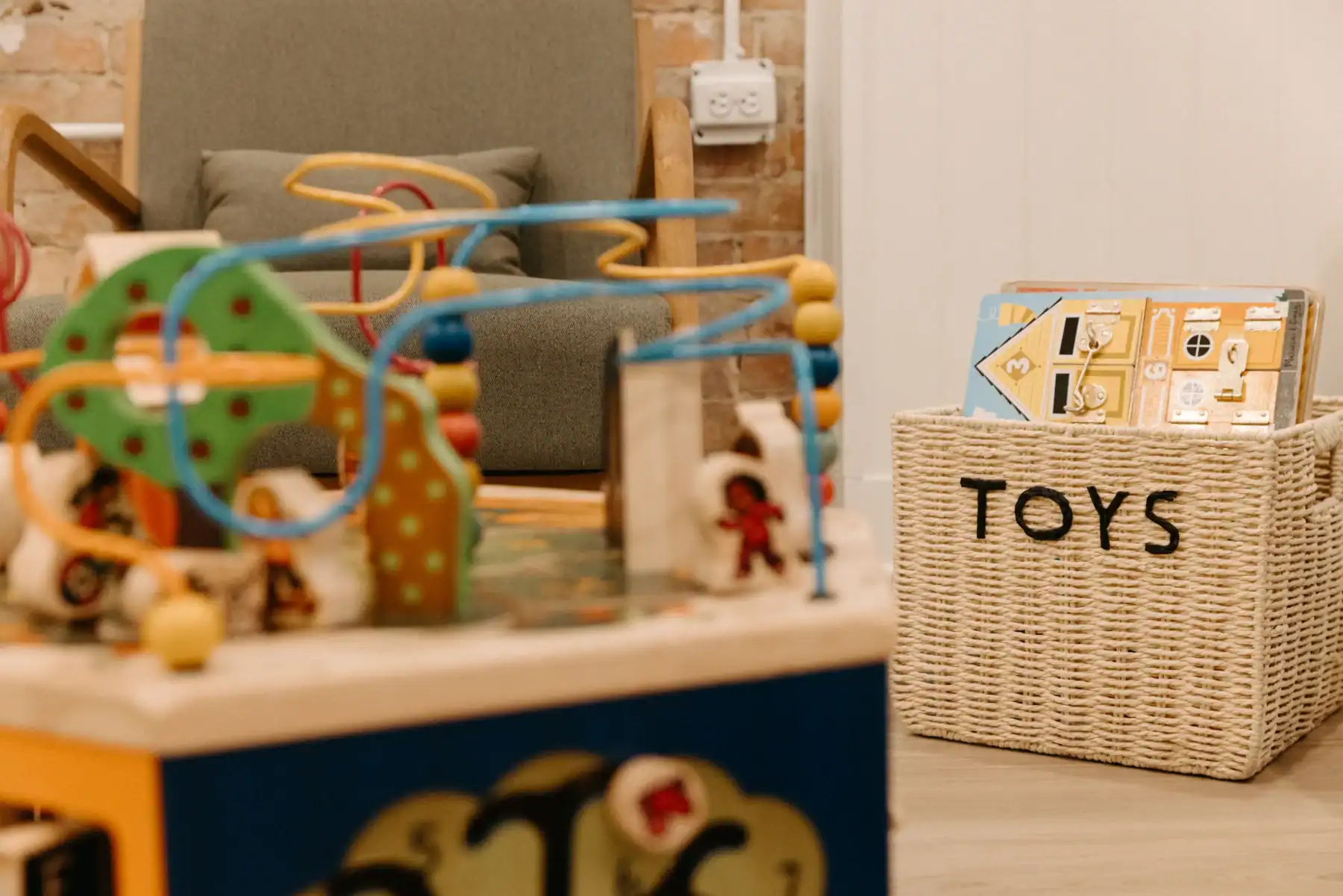
The best sensory activities for your child depend heavily on where they are developmentally, not just how old they are. An activity that’s perfectly engaging for a curious 4-year-old can be completely overwhelming for a 14-month-old still figuring out cause and effect. Stage-matching matters because it keeps the experience in the sweet spot; challenging enough to hold attention, but manageable enough to avoid frustration.
Occupational therapists and developmental researchers recognize eight sensory systems: tactile (touch), proprioceptive (body awareness and pressure), vestibular (balance and movement), auditory (sound), visual (sight), olfactory (smell), gustatory (taste), and interoceptive (internal body signals like hunger and heartbeat). Great sensory activities engage more than one of these at a time.
Sensory Activities for Babies and Young Toddlers (6 to 18 Months)
At this stage, everything goes in the mouth, so safety is the first priority. Supervised, simple, and edible-friendly activities work best.
- Sponge play in a shallow tray of water (tactile, visual)
- Textured fabric exploration using velvet, burlap, and fleece (tactile)
- Edible sensory bins using oatmeal, puffed rice, or soft cooked pasta (tactile, gustatory)
- Crinkle paper or mylar balloons (auditory, tactile, visual)
- Music and rhythm activities such as shaking a container of beans or tapping on pots (auditory, proprioceptive)
- Tummy time on different textures like a soft towel, a rubber mat, or grass outdoors (tactile, vestibular)
Always stay within arm’s reach for this age group. Even five minutes of focused sensory exploration is valuable.
Core Sensory Activities for Toddlers (18 Months to 3 Years)
This is the classic sensory play window. Toddlers at this stage have better hand control, more curiosity, and enough language to tell you what they notice.
- Rice or dried pasta bins with scooping tools (tactile, proprioceptive)
- Water play in a tub or water table (tactile, visual)
- Kinetic sand (tactile, proprioceptive); the resistance and give of the material provides deep pressure input that supports proprioceptive regulation during a window when many toddlers are still learning to manage big physical impulses
- Playdough and cloud dough (tactile, proprioceptive, sometimes olfactory)
- Finger painting with washable paint (tactile, visual)
- Foam sensory trays with shaving cream or foam soap on a baking sheet (tactile, olfactory)
- Sensory bottles made from sealed clear bottles filled with water, glitter, and small objects (visual, auditory, vestibular)
Open-ended play is key here. Resist the urge to show your toddler the “right” way to use the bin. Let them lead.
Sensory Activities for Preschoolers (3 to 5 Years)
Older kids need more complexity and purpose to stay engaged. This is a great age to add themes, challenges, and collaborative play.
- Themed sensory bins with sorting and counting components (tactile, cognitive)
- Slime-making with simple recipes (tactile, proprioceptive)
- Nature sensory trays with pinecones, acorns, leaves, and bark (tactile, visual, olfactory)
- Cooking and baking as sensory play through measuring, mixing, and kneading dough (tactile, proprioceptive, gustatory)
- Indoor obstacle courses using pillows, cushions, and balance boards (vestibular, proprioceptive)
- Blindfolded texture guessing games (tactile, auditory)
At this stage, sensory play starts to overlap with pre-literacy and pre-math skills, making it a natural bridge to school readiness.
10 Easy Sensory Bin Ideas You Can Set Up in 10 Minutes
You don’t need a specialty store or a big budget to pull off sensory play. Most bins can be built for under $5 using pantry staples or things already in your home.
1. Dried Pasta Bin
Use rotini or penne as a base. Add measuring cups and toy vehicles. Engages tactile and auditory systems as the pasta clatters and moves.
2. Flour Cloud Dough
Mix 8 cups of flour with 1 cup of oil. It clumps when squeezed and crumbles when you release. Strong proprioceptive and tactile input.
3. Rice and measuring cups
A simple classic. Add funnels and small bowls. Great for pouring, scooping, and early math concepts.
4. Soapy Water Bubbles
Warm water with a few drops of dish soap in a shallow bin. Add whisks and cups. Tactile, visual, and olfactory.
5. Dried Beans and Toy Animals
Larger dried beans are safer for older toddlers. Add a set of plastic zoo animals. Encourages imaginative play alongside tactile exploration.
6. Sand and Diggers
A sandbox tray indoors with small toy construction vehicles. Strong proprioceptive and tactile engagement.
7. Cotton Balls and Tongs
A bin of cotton balls with kitchen tongs or child-safe tweezers. Builds fine motor skills while providing light tactile input; a good fit for sensory-sensitive kids who prefer gentler textures.
8. Oats and kitchen tools
Rolled oats with measuring spoons, a small colander, and cups. Safe if tasted and engaging to scoop and pour.
9. Shredded Paper
Colored or plain. Add small hidden objects for a seek-and-find element. Tactile and visual.
10. Outdoor Nature Bin
Fill a bin with dirt, pebbles, and leaves. Add sticks and a watering can. This one practically runs itself during warmer months.
The goal isn’t Instagram-worthy. It’s engagement. An imperfect bin your toddler actually uses is better than a beautiful one you spend 45 minutes building.
How to Keep Sensory Bins Tidy (Without the Meltdown)
The mess is real, and it’s the number one reason parents avoid sensory bins altogether. But with a little preparation, it’s very manageable.
Containment First
Before you open a single bag of rice, set up your containment zone. A plastic tablecloth spread on the floor catches most spills. A shower curtain liner works even better. Some parents use a kiddie pool set up indoors during the winter months. A fitted play mat or large plastic tray under the bin also works for smaller messes.
Cleanup as Part of the Play
The most effective way to build cleanup habits is to make cleanup feel like an extension of the activity. Give your toddler a small dustpan and broom to sweep rice back into the bin. Let them scoop spilled materials with a big spoon. Model it cheerfully and without frustration.
A two-minute warning before cleanup time helps toddlers transition. Sudden endings are a fast track to meltdowns. “Two more minutes, then we scoop it all back in together” sets expectations and gives your child a moment to wrap up mentally.
Keep Expectations Realistic
Toddlers aren’t neurologically wired for self-directed, thorough cleanup until closer to age 3 or 4. Before that, cleanup is a group activity where you’re doing most of it with them alongside you. That’s okay. The habit is being built even if the execution is imperfect.
When the weather allows, move sensory bins outside. A porch or back patio makes cleanup nearly effortless: spills go into the grass, bins get rinsed with a hose, and everyone breathes easier.
When Sensory Play Goes Beyond Fun: Signs Your Toddler Needs More Support

Most toddlers have sensory preferences. Some love squishing playdough for 20 straight minutes. Others won’t go near wet textures. That’s completely normal and doesn’t automatically mean something is wrong.
But there’s a difference between a preference and a pattern that’s getting in the way of daily life.
How Do You Tell If It’s a Preference or Something More?
Preferences become worth discussing when they show up with high frequency, high intensity, or begin to limit your child’s ability to function in everyday settings. A toddler who dislikes finger painting is exercising a preference. A toddler who has a full meltdown when their hands get slightly damp, refuses to eat most foods because of texture, or can’t tolerate clothing seams may be showing signs of nervous system dysregulation worth exploring. You can learn more about what those patterns look like in this overview of sensory issues in kids.
Signs worth paying attention to include:
- Strong, consistent aversion to touching most textures: refusing sensory bins, resisting messy play, or melting down when hands get dirty
- Constant craving for intense sensory input like excessive spinning, crashing into furniture, or chewing on clothing
- Extreme difficulty transitioning away from sensory play, beyond typical toddler resistance
- Heightened distress over everyday sensory experiences like clothing tags, certain food textures, haircuts, or background noise
- Sensory responses that seem out of proportion to the situation and happen across multiple settings
This is not a diagnostic checklist. Only qualified professionals can assess sensory processing. But it’s a starting point for a conversation with your pediatrician, an occupational therapist, or a neurologically focused pediatric chiropractor.
How Neurologically Focused Chiropractic Care Supports Sensory Regulation

Your child’s nervous system is the communication pathway between their brain and everything else. Every sound, texture, smell, and movement that reaches their body gets processed through that pathway. When there’s interference along it, sensory experiences can arrive at the brain scrambled, amplified, or muted; and the result is a child who seems over-reactive, under-reactive, or just persistently overwhelmed.
Neurologically focused chiropractic care works to identify and reduce that nervous system interference using gentle, precise adjustments appropriate for children. This approach is completely drug-free and non-invasive, which makes it well-suited for toddlers and young children who are still in critical developmental windows.
Many families arrive at Adjusted Living Chiropractic in Chesterton, Indiana after years of being told their child will “grow out of it”, including families caring for children with autism and a wide range of neurodevelopmental needs. For many of those families, what looked like behavioral challenges or extreme sensory preferences turned out to be rooted in nervous system function that wasn’t being addressed. You can read some of those journeys on the Stories of Hope page.
Dr. Ryan Angelo brings over seven years of pediatric and family chiropractic experience to this work. He holds PX Docs certification — the only neurologically focused pediatric chiropractic credential in the Chesterton and Porter County area — reflecting a specialized foundation in exactly this kind of care. The PX Docs network supports providers who work with neurologically complex children, including those with sensory processing challenges, ADHD, autism, and more.
This kind of care isn’t meant to replace occupational therapy, sensory integration work, or the developmental support your pediatrician recommends. It works alongside those approaches, addressing the neurological foundation that makes all other interventions more effective.
If your child is working through sensory challenges and you’ve wondered whether there’s more you can do to support their nervous system, it’s worth exploring. The approach is gentle, the focus is on root-cause function rather than symptom management, and the goal is always a child who can engage more fully with the world around them.
Tips for Making Sensory Play a Daily Habit
Sensory play works best when it’s built into the rhythm of your day, not saved for special occasions or brought out only when you need a distraction.
Rotate Your Bins
Having 3 or 4 bins in rotation rather than all available at once keeps things feeling fresh without requiring constant setup. Swap them out weekly or whenever interest drops.
Pick a Consistent Time
Many toddlers do well with sensory play in the morning when their energy is high and their nervous systems are fresh. A consistent time slot also helps with transitions because your child knows what to expect.
Set it Up and Step Back
You don’t need to run every moment of sensory play. Set the bin up, introduce it briefly, then let your toddler lead. This builds independent play skills alongside sensory development.
Count What You’re Already Doing
Bath time is sensory play. Kneading dough in the kitchen is sensory play. Digging in the backyard is sensory play. Everyday activities already provide a lot of the input your child needs; you’re probably doing more than you realize.
Sensory play serves as a healthy counterbalance to passive screen time. Where screens provide input without requiring a physical, whole-body response, sensory play asks a child’s entire nervous system to engage. Both have their place, but sensory play builds the regulatory capacity that screens simply can’t.
Finally, imperfect sensory play is infinitely better than none. A five-minute bin with a cup and some rice before you start dinner counts. A soapy bath with extra splashing time counts. You don’t have to make it elaborate to make it meaningful.
Key Takeaways on Sensory Activities
- Sensory play actively supports brain development, emotional regulation, and school readiness. It’s backed by research, not just parenting intuition.
- A sensory bin needs only three things: a base material, some simple tools, and an optional theme. Most can be built in under 10 minutes for under $5.
- Stage-matching matters. Activities should meet your child where they are developmentally, not just by age but by ability and sensory tolerance.
- Mess is manageable with the right containment setup, and cleanup is a habit built gradually over time.
- When sensory responses are frequent, intense, and disrupting daily life, it may signal nervous system dysregulation worth exploring with a professional.
If you’ve noticed that your toddler’s sensory struggles go beyond typical preferences, or if you simply want to support your child’s nervous system development from the inside out, request an appointment with our chiropractor in Chesterton.
