

Key Takeaways
- Flare triggers like heat, dehydration, hormone shifts, and illness share one pattern: they challenge an autonomic nervous system low on adaptive capacity.
- Racing heart, dizziness, brain fog, and near-fainting come from the sympathetic system overcorrecting for blood pooling, not one organ failing.
- The vagus nerve is the parasympathetic brake on that response, and it is an active area of POTS research.
- Teens are especially vulnerable; their symptoms are frequently dismissed, and their diagnostic threshold is higher at 40 beats per minute.
- Drug-free care focused on nervous system regulation works alongside medical care, not in place of it.
POTS flare up triggers range from heat and dehydration to hormone shifts and viral illness, but they all do the same thing: they challenge an autonomic nervous system that is already working hard to keep up. Understanding why these triggers hit so hard, and what the nervous system is doing when they do, is the first step toward steadier days and fewer surprises.
What Happens During a POTS Flare?
A flare starts with a breakdown in autonomic communication. When you stand up or face a physical stressor, the autonomic nervous system is supposed to redistribute blood flow so the brain and heart stay supplied. In POTS, that signal falls short. Blood pools in the legs, and the brain senses the drop in circulation.
The sympathetic system then overcorrects, pushing heart rate up sharply. According to the National Institute of Neurological Disorders and Stroke, POTS involves a heart rate that rises by more than 30 beats per minute within 10 minutes of standing. In adolescents, the threshold is at least 40 beats per minute. The whole autonomic loop is affected, not just the heart.
The symptoms people report most often during a flare include:
- Pounding or racing heart
- Dizziness and lightheadedness
- Brain fog and trouble concentrating
- Nausea and other digestive symptoms
- Deep fatigue
- Near-fainting or fainting
- Shortness of breath
- Headaches and shakiness
This is not a small condition, and it is not imagined. POTS is estimated to affect 1 to 3 million adults and children in the United States, with quality of life comparable to that of people living with congestive heart failure or COPD. Flares are also rarely random. They follow patterns tied to identifiable triggers, and learning those patterns is where families start.
The Most Common POTS Flare Up Triggers and Why They Hit So Hard

Understanding what sets off a flare means looking at the mechanism behind each one, not just listing situations to avoid.
Heat, Humidity, and Temperature Regulation
Warm weather, hot showers, and humid rooms are among the most consistent flare triggers. Heat widens blood vessels in the skin, drawing more blood toward the surface and worsening pooling that is already happening. Even a short hot shower can set off a flare, because heat plus standing is a double hit on a stretched system.
Fluids and Food
Dehydration and POTS symptoms are closely linked. Even mild dehydration lowers blood volume, making circulation harder to maintain while upright. Large meals, especially high-carbohydrate ones, pull blood flow toward digestion, and alcohol and caffeine act as diuretics that lower blood volume further.
Hormones and the Menstrual Cycle
Hormone shifts are among the most commonly reported and least discussed triggers. Estrogen affects blood volume and vascular tone. In the days before a period, estrogen drops, vessels widen more easily, and blood volume dips, often pushing the system past its threshold. NINDS notes that some people report more POTS episodes right before their menstrual periods.
Illness, Infection, and Post-Viral Onset
Infection activates the immune system, raises inflammation, and disrupts autonomic signaling. NINDS notes that POTS commonly begins after a pregnancy, major surgery, puberty, trauma, or a viral illness, and that recent studies suggest a link between COVID-19 and the development of POTS. Mononucleosis is another illness families frequently point to as the moment everything changed.
How Long Do POTS Flares Last?
A mild flare set off by dehydration or brief heat may ease within hours once fluids, salt, and rest come into play. A flare following a viral illness or heavy exertion can stretch into days or weeks, especially without real recovery time.
Several factors influence the length:
- How severe the triggering event was
- How quickly supportive strategies were applied
- Baseline nervous system regulation
- Whether additional triggers stack on the first one
POTS in Teenagers: Why Young Patients Flare More Easily
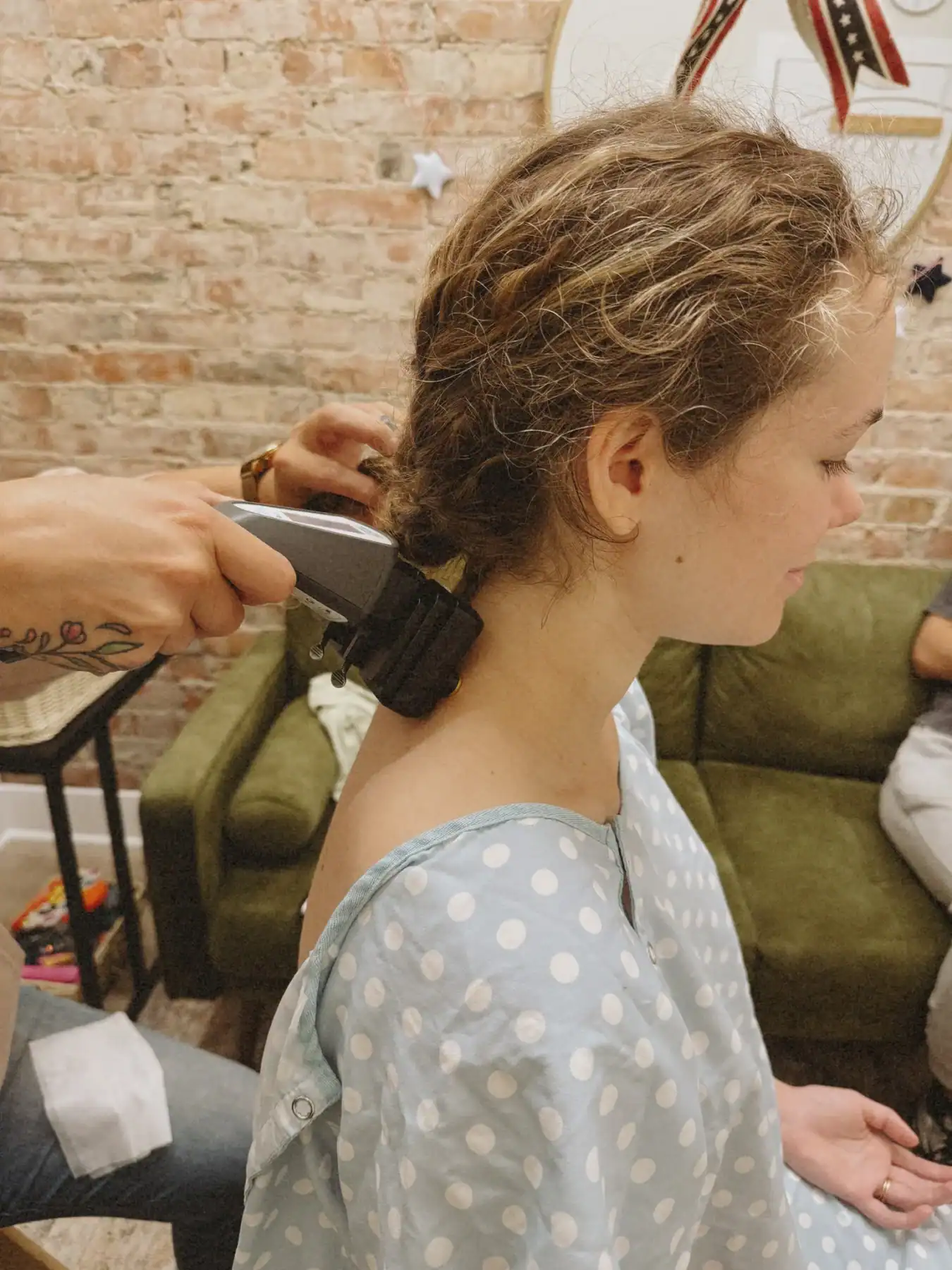
Adolescence stacks the deck. Growth spurts outpace the body’s ability to expand blood volume, hormones affect vascular tone, and the nervous system is still maturing, which also means longer recovery windows after a flare. Teen symptoms are frequently dismissed as anxiety, attention-seeking, or growing pains. A teenager who cannot stand in the lunch line without feeling faint, or who leaves class because of brain fog and nausea, is usually describing an autonomic response, not a behavioral problem.
That pattern shows up in the research. In the Long-Term POTS Outcomes Survey, 227 patients diagnosed before age 18 reported a median symptom onset age of 13. Nearly three-quarters faced a delay in diagnosis, and more than half were told their symptoms were in their head. Among adults, a survey of more than 5,000 people with POTS found roughly one in five had lost a job because of symptoms (Bourne et al., Journal of Internal Medicine, 2021).
What gets lost in that delay is time: a school year spent mostly in bed, a sport dropped, friendships that thin out. School adds its own load too; long sitting broken by sudden standing, warm classrooms, skipped breakfasts, and exam stress that activates the sympathetic nervous system directly.
The Nervous System Pattern Behind Every Flare
Heat, illness, hormones, or a skipped meal challenges an autonomic nervous system that is already short on capacity to respond normally. In POTS, the system tends to sit in partial sympathetic activation, which makes it harder to drop fully into rest-and-recovery mode. That is what a nervous system stuck in fight-or-flight looks like day to day, and it explains why two people can meet the same trigger and react completely differently. The difference is not the trigger. It is the background state of the system when the trigger arrives.
Where the Vagus Nerve Fits
The vagus nerve runs from the brainstem through the chest and abdomen, helping regulate heart rate, breathing, digestion, and immune response. It’s the main pathway of the parasympathetic side, which is the brake pedal to the sympathetic accelerator. When that brake is slow to engage, heart rate climbs faster and settles more slowly after a position change, a warm room, or a stressful hour.
NINDS reports that researchers are studying whether POTS is linked to an autoimmune reaction in some people, and whether stimulating the vagus nerve can calm that response. That work is ongoing rather than settled, but it points to the same system parents are already watching at home.
Why the System is Already Stretched
POTS rarely traces back to one event. It is usually the tipping point after stressors stack up: a significant illness or infection, stress carried over months, periods of rapid growth, and hypermobility conditions such as hypermobile Ehlers-Danlos syndrome, which NINDS lists as commonly associated with POTS. In specialty centers, roughly a third to half of patients show the neuropathic pattern, where small-fiber nerve changes in the lower body contribute to blood pooling.
Heart rate variability is one objective way to see what is left in the tank, and many people with POTS show low HRV. Families sometimes also ask whether POTS runs in families, which is a fair question when more than one person at home has symptoms.
How to Calm a Flare Naturally and Reduce Future Ones
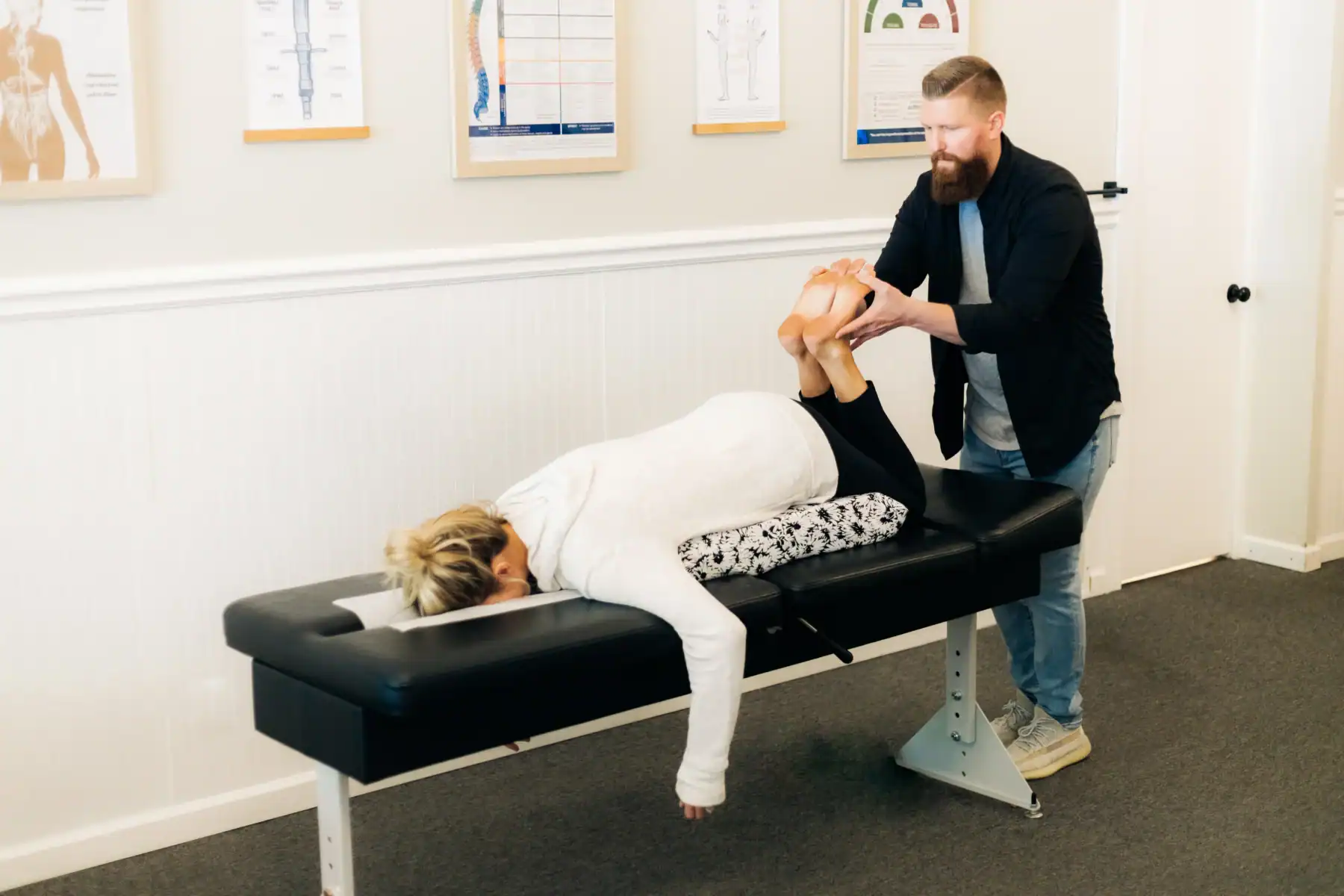
During a flare, these steps can help settle the response:
- Lie down and raise your legs above heart level to encourage blood return
- Take in fluids and salt right away; electrolyte drinks work faster than plain water
- Put on compression garments if you have them
- Move somewhere cooler if heat was the trigger
- Breathe slowly through the diaphragm, making the exhale longer than the inhale
For longer-term support:
- Keep hydration and sodium steady all day, not only during flares
- Build exercise gradually, starting recumbent before moving upright
- Track your own flare pattern and plan around your personal triggers
- Protect sleep and lower day-to-day stress load
- Consider neurologically focused chiropractic care alongside your medical care
Fluids, salt, compression, and graded activity are all recommended by NINDS, and any change to medication or sodium targets belongs in a conversation with your physician. Salt and slower standing are real tools, but they work at the level of symptoms. They say nothing about how the nervous system itself is functioning, which is why families often feel stuck repeating the same advice. Chiropractic care is complementary to what your pediatrician, cardiologist, or neurologist provides, never a replacement for it.
When a Flare Needs Urgent Medical Attention
Most flares, while exhausting, are not emergencies. Seek urgent care if a flare involves:
- Fainting that results in injury
- Chest pain or pressure
- Severe shortness of breath that does not improve when lying down
- A heart rate that stays dangerously high after resting and rehydrating
- Confusion, slurred speech, or vision loss
Many people with POTS hesitate to seek help because they have been dismissed before. That history is real, and it should not stop anyone from escalating when symptoms cross these lines.
Nervous System Support for POTS Families in Chesterton

At Adjusted Living Chiropractic in Chesterton, Indiana, care begins with measurement rather than guesswork. Our INSiGHT scans use HRV, surface EMG, and rolling thermography to show where the nervous system is holding stress and how well it is adapting. Dr. Ryan reviews the full history alongside those results — illnesses, injuries, growth spurts, the stressors that stacked up before symptoms appeared — then builds a plan around what the scans show, with re-scans so families can see what changes.
Adjusted Living is the only PX Docs-certified pediatric chiropractic office in Chesterton and Porter County, so Dr. Ryan is trained to work with neurologically complex and sensitive kids, including teens whose symptoms have been brushed aside elsewhere. Families across Porter County, Valparaiso, and Portage share their experiences on our stories of hope page.
Ready to see what your child’s nervous system is actually doing? Request an appointment with Dr. Ryan at Adjusted Living Chiropractic in Chesterton, Indiana, and started with a scan rather than a guess.
FAQs About POTS Flares
What sets off a POTS flare most often?
The most commonly reported are heat and humidity, dehydration, prolonged standing, large high-carbohydrate meals, hormonal changes, physical overexertion, emotional stress, and viral illness. Each challenges the autonomic nervous system’s ability to regulate blood flow and heart rate.
How long does a flare last?
A mild flare set off by dehydration or heat may ease within hours with rest, fluids, and salt. A flare after a viral illness or heavy exertion can last days to weeks.
Can the menstrual cycle set off a flare?
Yes. Many people report their worst flares in the days before or during their period, when estrogen shifts amplify the blood pooling and heart rate instability that define POTS.
Can stress and anxiety cause flares?
Stress activates the sympathetic nervous system, which in POTS is already dysregulated, lowering the threshold for a flare. POTS is not caused by anxiety, but stress can make symptoms worse.
Is there a drug-free approach to reducing flare frequency?
Drug-free strategies include consistent salt and fluid intake, compression garments, graded recumbent exercise, and avoiding known personal triggers. Some families add neurologically focused chiropractic care alongside their medical care, with the goal of supporting nervous system regulation over time.
