
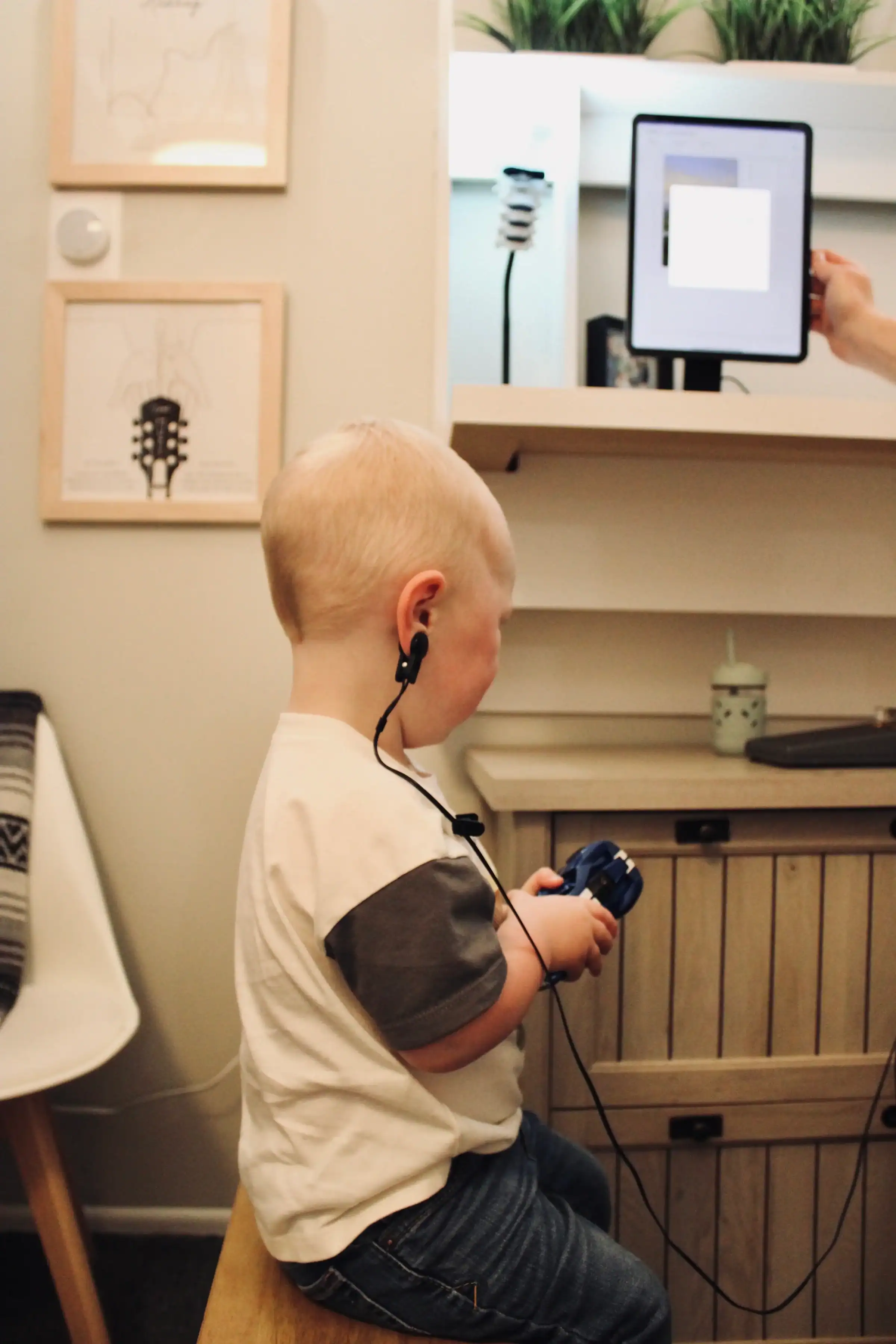
Key Takeaways on Sensory Processing
- A screening covers all eight sensory systems, not just sound and touch, because those reactions usually travel together.
- Frequency matters more than intensity. One hard afternoon is not a pattern, but reactions that reshape eating, sleeping, and learning are.
- Up to 96% of individuals with autism also experience sensory difficulties, which is why sensory signs get folded into an autism, ADHD, or anxiety label.
- The signs move as children grow. A clothing meltdown at three can resurface as quiet withdrawal at thirteen.
- An occupational therapist trained in sensory integration is the next step, and INSiGHT scan data gives that therapist something objective to work from.
A sensory processing disorder test is a structured way to see how the nervous system takes in everyday input across all eight sensory systems. It won’t hand you a diagnosis. What it gives you is an organized picture of the signs and a clear sense of where to go next.
If certain sounds, textures, or crowds send your child into a meltdown, you’ve probably been told it’s a phase. It usually isn’t. Those big reactions are the nervous system responding to input it reads as a threat, the same pattern behind most sensory issues in kids. That nervous system is the first thing Adjusted Living looks at, whether the overwhelm belongs to a child or to an adult who has spent years wondering why certain rooms feel unbearable.
What a Sensory Processing Disorder Test Covers in 8 Systems
Most sensory checklists stop at sound and touch. A thorough screening looks across all eight sensory systems because these reactions rarely travel alone. A child who covers their ears at the store may also gag at food textures and crash into the furniture on purpose.
As you read each system below, notice where your child’s responses feel bigger or flatter than you’d expect. Some kids pull away from input, some chase it, and many swing between both, but every pattern traces back to the same nervous system.
- Touch (tactile): Cutting tags out of clothing, refusing certain fabrics, resisting haircuts or toothbrushing, or reacting strongly to a light, unexpected touch while tolerating firm pressure better.
- Sound (auditory): Covering ears in busy rooms, melting down after a full school day, or struggling to focus with any background noise. Adults often describe it as hearing everything at once.
- Sight (visual): Squinting or shutting down under bright or flickering lights, or feeling overwhelmed in visually crowded spaces like classrooms and malls.
- Movement and balance (vestibular): Craving spinning and swinging with no dizziness, or the opposite, avoiding slides, swings, and anything that lifts their feet off the ground.
- Body awareness (proprioceptive): Crashing into people and furniture, seeking tight hugs and heavy blankets, or seeming unsure where their body is in space.
- Taste (gustatory): Gagging on food textures, eating from a very short list of safe foods, or refusing anything that mixes textures on the plate.
- Smell (olfactory): Noticing faint smells long before anyone else, or being overwhelmed by perfume, cleaning products, or cooking odors that others barely register.
- Internal signals (interoception): Missing the cues for hunger, thirst, or the bathroom until they turn urgent, or feeling every heartbeat and stomach flutter far too intensely.
None of these symptoms is a diagnosis, and one strong reaction on its own isn’t cause for alarm. These responses feel involuntary because they are, so what looks like drama or defiance is usually a processing difference, not a character flaw.
What matters is the pattern, how often these responses show up, and how much they shape eating, sleeping, learning, and playing. The signs also shift as children grow, so a clothing meltdown at three can resurface as anxiety or quiet withdrawal by the teenage years.
How Sensory Processing Differs From Autism, ADHD, and Anxiety

Sensory challenges overlap with autism, ADHD, and anxiety, which is exactly why they get missed or mislabeled. Telling them apart matters because each one points toward a different kind of support.
A child can have significant sensory sensitivities and no autism diagnosis, and the reverse is just as true. Indiana University’s Hands in Autism program reports that up to 96% of individuals with autism also experience sensory processing difficulties, so the overlap is real. Each condition still works differently underneath.
- Autism: Social communication differences and restricted behaviors show up alongside the sensory patterns, while sensory struggles can appear entirely on their own. Because both run through the same nervous system, chiropractic care for autism works from the very layer of sensory screening flags.
- ADHD: From the outside, it can look nearly identical, since both affect attention and self-control, but ADHD centers on executive function while sensory challenges come from how the nervous system takes in input. Many kids have both, and supporting only one leaves the other running quietly in the background.
- Anxiety: Constant sensory overload keeps the body in a low-grade state of threat that can harden into genuine anxiety over time. Sometimes what gets labeled anxiety is really a nervous system that has been overwhelmed for years without anyone naming why.
What Your Results Mean and Where to Go Next
An elevated screen doesn’t mean your child has a clinical condition. It means the signs are strong enough to point toward nervous system dysregulation and that there are practical directions to move in from here. The picture you’ve gathered is most useful in someone else’s hands.
The first stop is usually an occupational therapist trained in sensory integration. A formal evaluation goes deeper than any at-home screening, and it usually blends standardized questionnaires that score responses across the systems, direct observation of how your child moves and reacts during play, and a detailed history of what you’ve seen at home and at school.
Occupational therapy then works directly with the systems that are dysregulated, using targeted sensory input rather than managing the behaviors on the surface. Bringing an organized list of what you’ve noticed, system by system, gives that therapist a running start instead of a blank page.
Where Chiropractic Care Fits Into Sensory Support
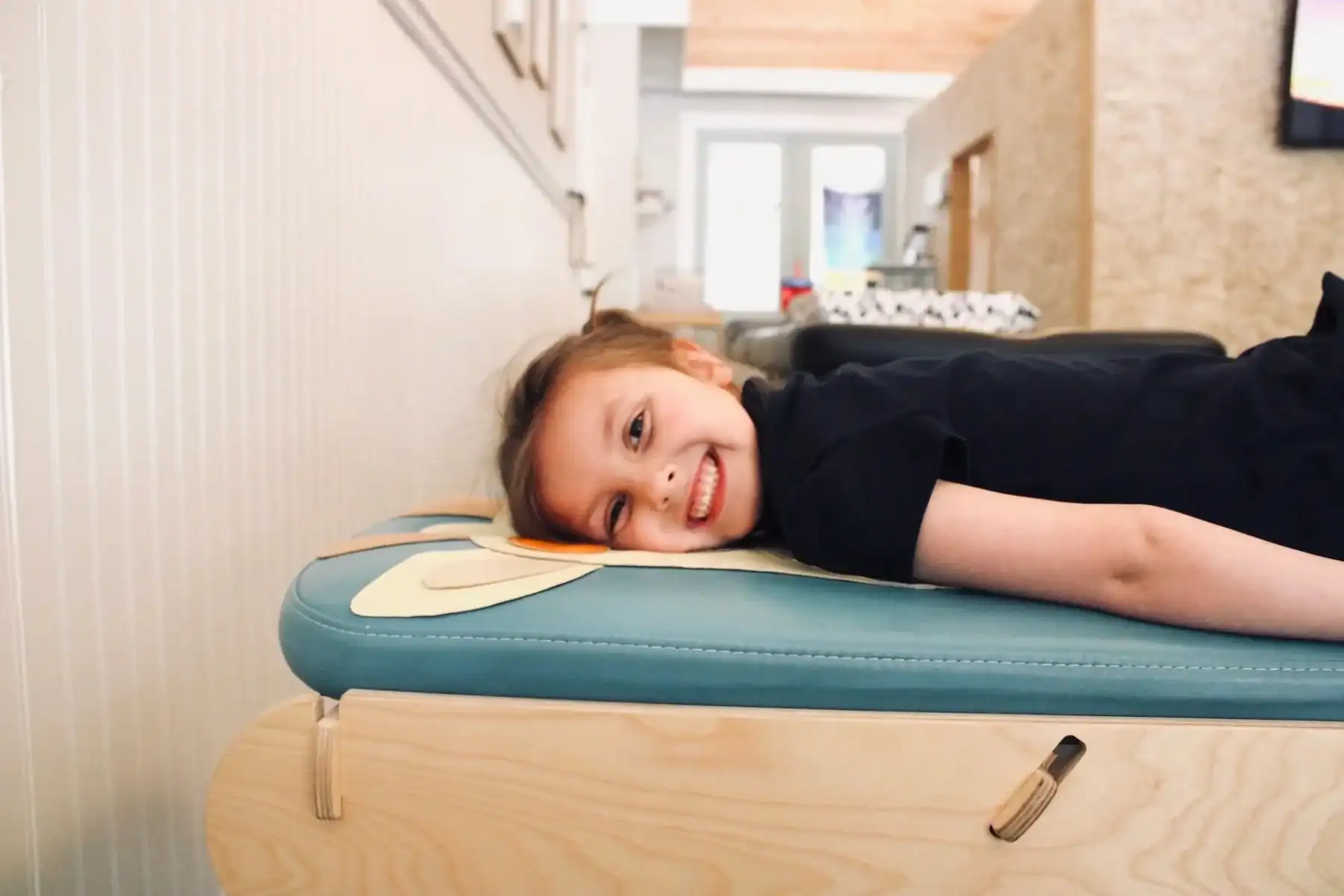
A screening tells you what your child reacts to. It can’t tell you why their nervous system is reading ordinary input as a threat, and that is where Adjusted Living picks up the question.
Care begins with INSiGHT scans, which measure heart rate variability, muscle activity along the spine, and temperature patterns. That turns what you have observed into something readable. Dr. Ryan builds a care plan from what the scans find, using gentle tonal adjustments rather than forceful cracking.
Many families arrive here after years of being told their child would grow out of it. The practice holds PX Docs certification, the only neurologically focused pediatric credential in Porter County, and training built specifically for children with complex neurological needs. Local families share how that has gone for them in their stories of hope.
None of this replaces your pediatrician or your child’s occupational therapist. It works alongside them. When the nervous system settles, many families find the therapies already underway start landing better.
FAQs About Sensory Screening
What Causes Sensory Overload?
Overload happens when the nervous system takes in more input than it can organize at once, so a busy store or a noisy classroom tips it past capacity. For someone with sensory processing differences, that threshold sits lower than average, which is why the same room feels fine to one person and unbearable to another.
Is Sensory Processing Disorder an Official Diagnosis?
Not on its own. It is not listed as a standalone condition in the standard diagnostic manual, which is part of why families get passed between providers without a clear answer. The difficulties are still real, and an occupational therapist can assess them either way.
Will My Child Grow Out of It?
Not usually in the way that phrase suggests. The signs tend to change shape rather than disappear, so a toddler who melts down over clothing tags can become a teenager who quietly avoids crowded places. That is why what you are noticing now is worth acting on rather than waiting it out.
Do Sensory Processing Difficulties Look Different in Adults?
Yes. Many adults reach their thirties or forties before anyone names the pattern. In adults, it tends to look like avoidance, burnout, or feeling drained by ordinary environments rather than visible meltdowns.
Ready to Move From Signs to Answers?
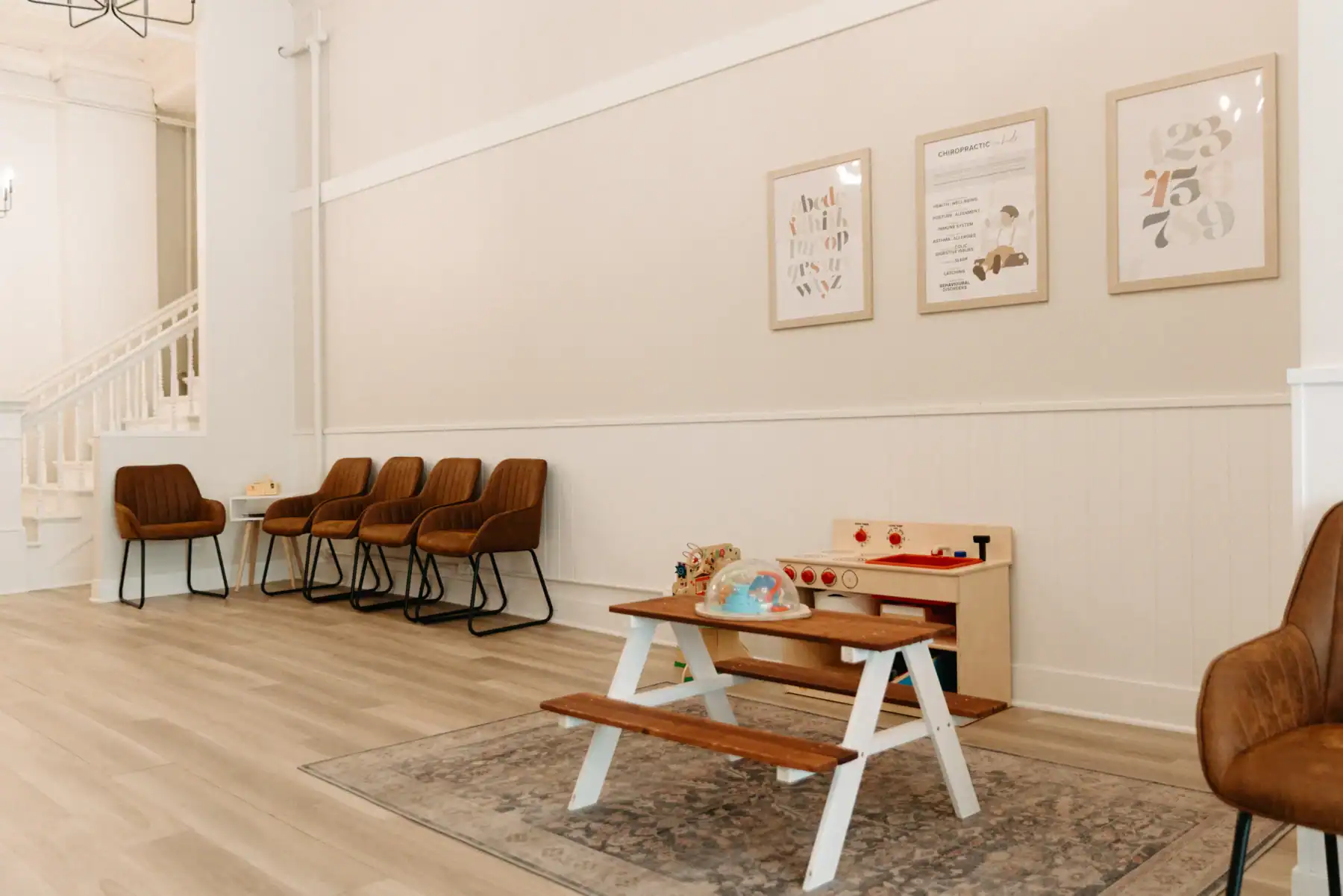
Recognizing the pattern is the first step, and you have already taken it. When parents start searching for answers, what they are really asking is whether there is an explanation underneath the behavior. There is, and it can be measured. If you are ready to find out what your child’s nervous system is actually doing, our chiropractor in Chesterton is here to help. Request an appointment to take the next step for your family.
