

If you’ve been feeling constantly overwhelmed, exhausted, anxious, or just not like yourself, your body may be sending clear signals that something deeper is going on. One of the most overlooked root issues we see is signs of nervous system dysregulation, where your body gets stuck in stress mode and struggles to shift back into rest and recovery. The good news is that your body isn’t broken. It just needs the right neurological support to reset and improve function so your brain and body can communicate the way they’re designed to.
What is the Nervous System and Why Does it Matter?
Your nervous system is the command center of your entire body. It controls how you respond to stress, how you heal, how you sleep, and even how your organs function. When everything is working properly, your body shifts smoothly between ‘go mode’ and ‘rest mode.’
The sympathetic nervous system acts like your gas pedal, helping you respond to stress or danger. The parasympathetic nervous system acts like your brake, allowing your body to relax, recover, and recharge. True nervous system regulation means you can move between these states with ease instead of getting stuck in one.
When that balance is disrupted, your body can start to feel off in ways that don’t always make sense at first.
Signs of Nervous System Dysregulation
When your body is overwhelmed for too long, it can create a dysregulated nervous system that struggles to keep up with daily demands. This doesn’t just show up as stress; it affects your entire body.
You might notice constant fatigue even after sleeping, frequent anxiety, irritability, or trouble focusing. Some people feel wired but tired, where they’re exhausted but can’t relax. Others deal with digestive issues, headaches, or a racing heart.
These are all common dysautonomia symptoms, which point to dysfunction in how your nervous system is regulating itself. If you’ve ever wondered what is dysautonomia, it’s essentially a condition where the autonomic nervous system isn’t properly controlling bodily functions like heart rate, digestion, and stress response.
What Causes Nervous System Dysregulation?

There’s rarely just one cause. Most people we see have experienced layers of nervous system stress building over time.
Chronic stress is one of the biggest contributors. When your body is under constant pressure, it adapts by staying in survival mode. This creates a nervous system stuck in fight or flight, where even small stressors feel overwhelming.
Lack of sleep, poor nutrition, hormonal changes, and physical tension in the body can all add to the problem. For moms especially, the constant demands of daily life can keep the nervous system in a heightened state for months or even years.
If you’re asking what causes dysautonomia, it often comes down to prolonged stress, nervous system overload, and the body losing its ability to regulate itself efficiently.
How a Dysregulated Nervous System Feels Day to Day
Living with nervous system dysregulation can feel confusing because the symptoms aren’t always consistent. Some days you might feel anxious and overstimulated. Other days, you feel completely drained and unmotivated.
You might have trouble sleeping, or you wake up already feeling tired. Even simple tasks can feel overwhelming. Many people describe it as their body constantly being “on edge,” like it’s waiting for something to go wrong. T
his is a classic example of being stuck in survival mode and not knowing how to get out. Over time, this state can wear your body down, making it harder to recover without intentional support. This is something we see all the time in parents, kids, and families dealing with chronic stress and overwhelm.
Simple Ways to Start Nervous System Regulation

If you’re looking for how to regulate your nervous system, the key is to start small and be consistent. Your body responds best to simple, repeatable signals of safety.
One of the most effective nervous system regulation techniques is focusing on your breath. Slow, controlled breathing can help shift your body out of stress mode and into a calmer state.
Movement is another powerful tool. Gentle walks, stretching, or light exercise help your body release built-up tension and reset.
Sleep is critical. Creating a consistent bedtime routine helps your body recognize when it’s time to slow down. Nutrition also plays a role. Starting your day with protein instead of caffeine can stabilize your energy and reduce stress spikes.
If you’re trying to figure out how to calm your nervous system, focus on giving your body consistent signals of safety throughout the day.
How to Heal a Dysregulated Nervous System
Understanding how to heal a dysregulated nervous system starts with recognizing that healing doesn’t happen overnight. Your body has adapted to stress over time, and it needs consistent support to rebuild resilience.
In many cases, this stress builds up as neurological interference, often called subluxation. This disrupts how the brain and body communicate.
True healing focuses on helping your body regain adaptability. This means your nervous system can respond to stress when needed but also return to a calm, regulated state afterward.
If you’ve been wondering how to heal your nervous system dysregulation, it’s not about pushing harder or doing more. It’s about giving your body the right environment to recover.
One important distinction people often ask about is dysautonomia vs. POTS. While they share similarities, POTS is a specific type of dysautonomia that affects heart rate and blood flow. Both are rooted in nervous system dysfunction, which is why addressing it directly is key.
Getting the Right Nervous System Support
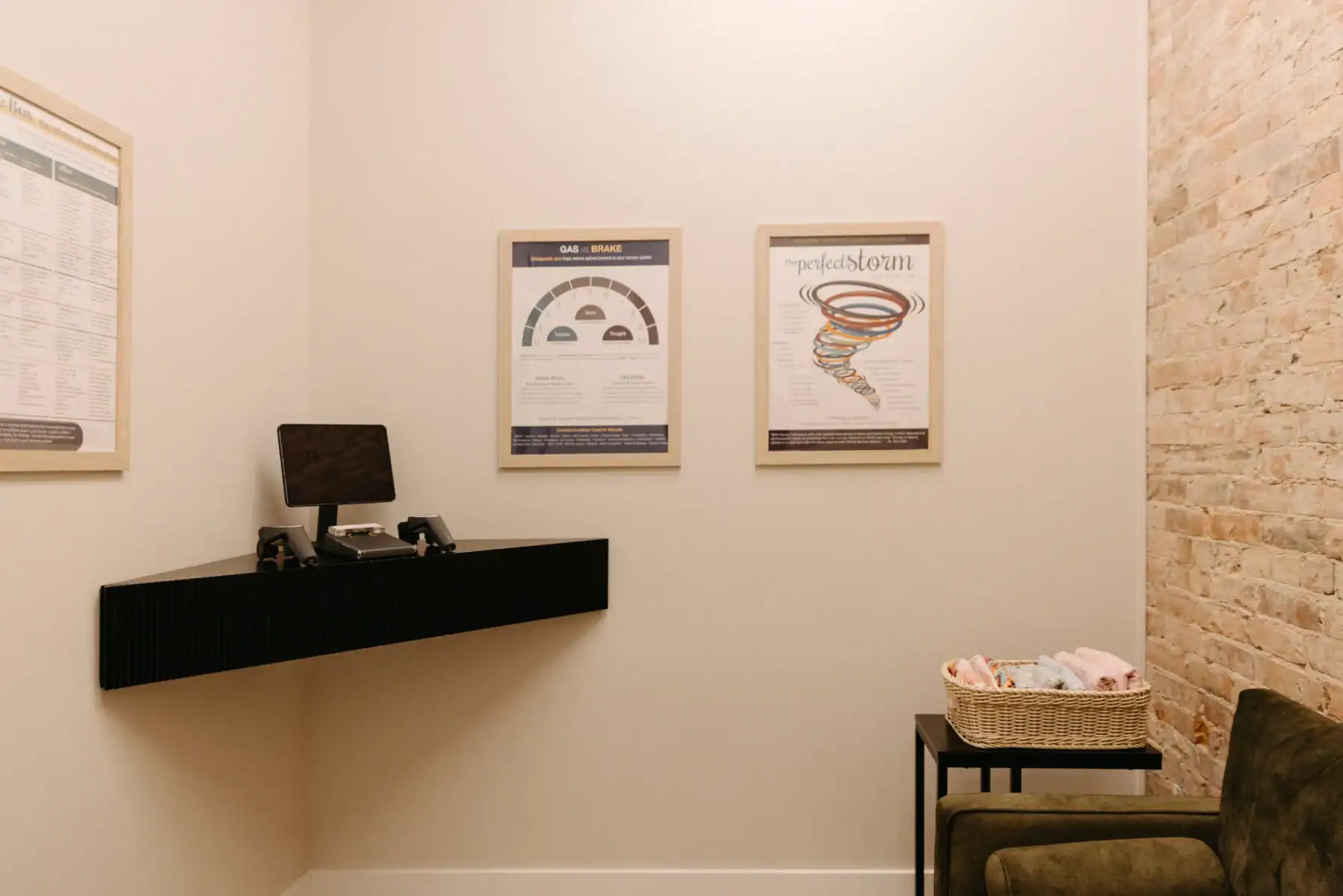
While lifestyle changes are a great starting point, many people need deeper nervous system support to fully recover from nervous system dysregulation.
Neurologically focused chiropractic care is designed to assess how your nervous system is functioning and where it may be stuck or overwhelmed. At Adjusted Living, we use advanced INSiGHT scans to measure how your body is adapting to stress and where imbalances exist.
From your first visit, you’ll go through a detailed consultation, INSiGHT scans, and a personalized report of findings so you can clearly see what’s going on inside your nervous system.
This approach doesn’t chase symptoms. It focuses on restoring communication between your brain and body so your system can regulate itself more effectively.
If you’re looking for a trusted chiropractor in Chesterton, schedule your INSiGHT scan to see exactly how your nervous system is functioning and where it may be stuck.
With a personalized care plan, your body can begin to shift out of survival mode and back into a state of healing and adaptability.
A Real Example of Nervous System Healing
One of the most powerful things we see is how the body begins to change once it’s given the right support.
In one case, a new mom came in feeling completely exhausted, overwhelmed, and in constant pain. She assumed her body was broken because she wasn’t improving.
Her scans showed something different. Instead of being overly active, her nervous system was actually shutting down from exhaustion after being stuck in stress mode for too long.
As she started care, her first improvement wasn’t physical symptoms; it was sleep. For the first time in a long time, her body could rest.
From there, her anxiety eased, her energy improved, and her body began functioning as it was designed to.
This is what happens when your body is no longer stuck in survival mode and can finally begin to adapt again.
Final Thoughts on Healing Your Nervous System
If you’ve been dealing with ongoing stress, fatigue, or unexplained symptoms, it’s worth paying attention to what your body is telling you. Recognizing these signs is the first step toward healing your nervous system.
Your body is designed to heal and adapt. With the right neurological support, consistency, and guidance, you can support your nervous system dysregulation so you can feel calmer, more energized, and in control again.
If you’re ready to take that first step, getting your nervous system dysregulation assessed can give you the clarity and direction you’ve been missing.
