

TLDR: A prenatal chiropractor is a chiropractor with specialized training in pregnancy-safe adjustment techniques, pelvic alignment, and nervous system support for expecting moms. Care is appropriate at any trimester, and many first-time chiropractic patients begin during pregnancy. Pregnancy is a lot to carry, and your body deserves support that goes deeper than symptom management. This guide covers everything you need to know before booking your first visit.
Why Expecting Moms Are Turning to Prenatal Chiropractic Care
Pregnancy changes your body fast. Your center of gravity shifts, your pelvis widens, your lower back curves more sharply, and your nervous system is working overtime. Many expecting moms report significant back discomfort during pregnancy, yet most prenatal care never addresses the spine, pelvis, or nervous system directly.
That’s exactly what prenatal chiropractic care is designed to do. The benefits of chiropractic care during pregnancy go beyond physical comfort. Misalignment in the pelvis or sacrum can affect how your baby positions ahead of labor. Nerve interference from spinal stress can impact how your body adapts through each trimester.
What most conventional prenatal care doesn’t address is this: your baby’s nervous system isn’t developing independently inside you. It’s developing alongside yours.
When your nervous system is calm and balanced, your baby is growing in an environment that signals safety. When stress builds and your nervous system gets stuck in survival mode, those same signals reach your baby too. When you’re exploring how to best support your body and your baby, pregnancy chiropractic care offers something most other approaches don’t: structural and neurological support at the root level.
Mainstream demand for chiropractic care is growing quickly. According to the U.S. Bureau of Labor Statistics, employment of chiropractors is projected to grow 10% from 2024 to 2034, much faster than the average for all occupations. This is driven in part by rising interest in drug-free, integrative approaches to health, the same reasons many expecting moms seek out prenatal care.
What is a Prenatal Chiropractor? How is it Different from Regular Chiropractic Care?

A prenatal chiropractor is a chiropractor with specialized training in pregnancy-safe techniques, pelvic biomechanics, and fetal positioning support. While any licensed chiropractor can technically see a pregnant patient, a pregnancy-specific chiropractor brings a different level of preparation.
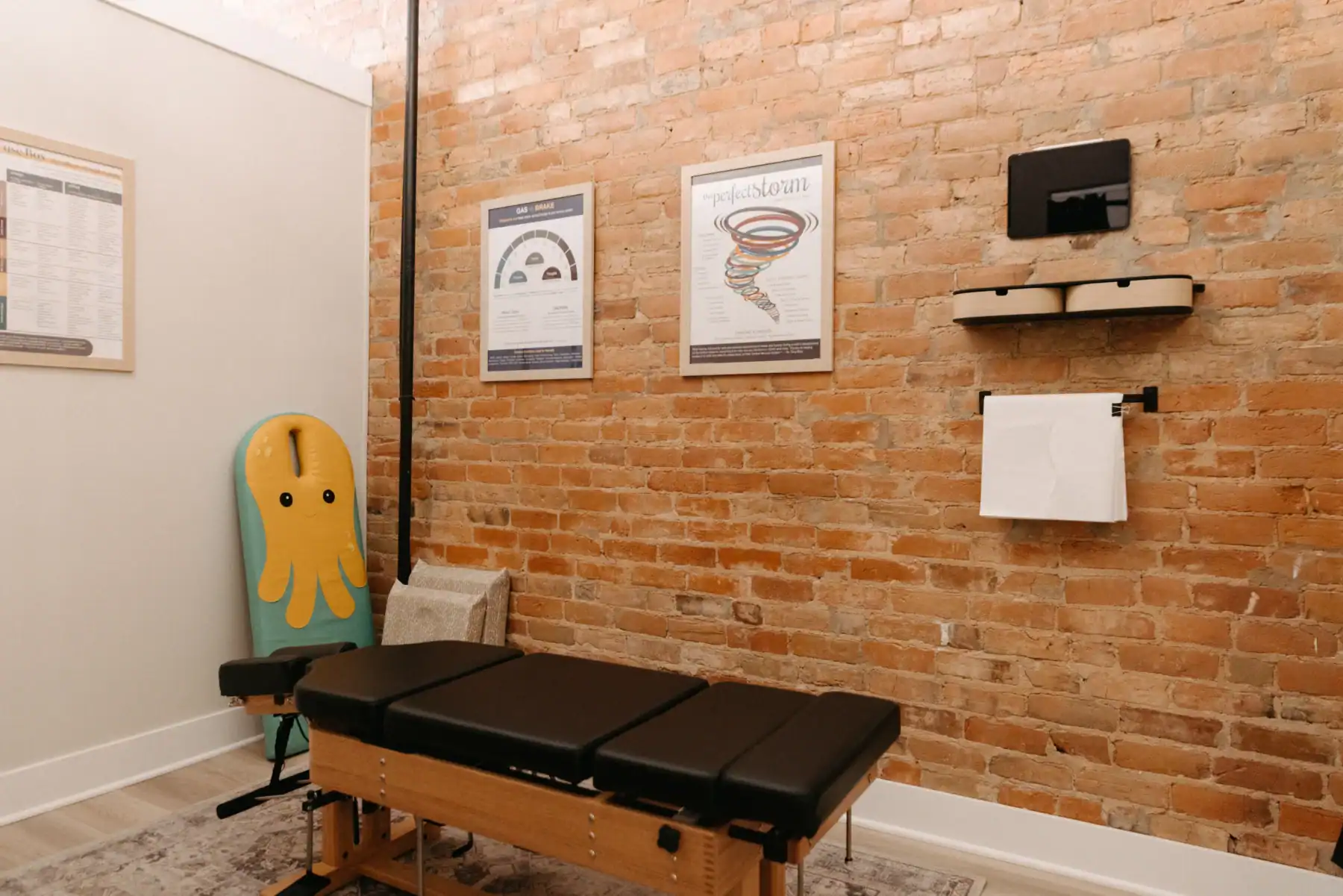
The differences are meaningful. Prenatal chiropractors use adjustable tables with belly cutouts or bolster systems so you’re never lying face-down with pressure on your abdomen. They apply gentler force and use techniques specifically designed for a body producing relaxin and shifting its structural load week by week. They’re trained to screen for contraindications unique to pregnancy and to work alongside your OB/GYN or midwife as part of your care team.
When choosing a provider, look for Webster Technique certification through the International Chiropractic Pediatric Association (ICPA). The Webster Technique is one of the most well-recognized techniques for prenatal chiropractic care because it focuses specifically on sacral alignment and pelvic balance. A qualified pregnancy-specific chiropractor will be transparent about their certifications before your first visit.
Several techniques are considered safe and effective for prenatal chiropractic care. The Webster Technique focuses on sacral analysis and adjustment to restore pelvic balance. Gentle, neurologically focused approaches like the Torque Release Technique use light, precise contacts to release stored tension in the nervous system: no twisting, cracking, or popping.
This makes them among the gentlest options available for pregnancy. Soft tissue work and positioning support complement adjustments by addressing muscle tension around the pelvis and supporting optimal fetal positioning in the third trimester. Each approach can be customized based on where you are in your pregnancy and what your body needs most.
When to Start and What to Expect During Your Visits
Prenatal chiropractic care can begin at any point, including before conception, if you want a baseline pelvic alignment assessment. First-trimester care focuses on supporting the nervous system as your body begins its rapid changes. Many moms find the 24-28-week window particularly important, as this is when fetal positioning becomes more relevant and pelvic alignment directly affects the space your baby has to move into an ideal birth position.
Your first visit typically includes a health history intake, a gentle postural and spinal assessment, and a conversation about your goals and any red flags. Your chiropractor will ask about your obstetric history, current symptoms, and whether you’ve had any complications flagged by your care team.
A typical adjustment is quieter than most first-timers expect. You’ll be positioned on a specialized table that supports your belly without compression. The focus is on the sacrum, pelvis, and spine, with no pressure on your abdomen at any point.
If you’ve never seen a chiropractor before, you’re in good company. First-time chiropractic patients are common in prenatal settings, and a good provider will walk you through every step before anything happens. How often you visit depends on your trimester and your body’s needs; our guide on how often to see a chiropractor while pregnant breaks it down by stage; visits often increase as you approach your due date. Knowing how to select a qualified pregnancy chiropractor starts with asking about their prenatal-specific training and technique options.
Prenatal Chiropractic vs. Other Pregnancy Support Options

Pregnant moms have more support options available than ever, and understanding how they differ makes it easier to choose what’s right for your situation.
Prenatal chiropractic addresses the structural and neurological root causes of physical stress during pregnancy. It targets spinal alignment, pelvic balance, and nervous system function. It’s the only modality of the four that directly influences how your nervous system is adapting to pregnancy, not just how your muscles feel.
Prenatal massage excels at relieving muscle tension, circulation, and stress relief. It doesn’t address joint alignment or nerve interference, but it’s a genuine complement to chiropractic care. Many expecting moms combine both for the best outcomes.
Physical therapy is the go-to when there’s a specific rehabilitation need, such as diastasis recti, pelvic floor dysfunction, or recovery from injury. It’s evidence-based and often involves exercises and manual therapy.
Prenatal yoga and safe pregnancy exercises support flexibility, body awareness, and mental well-being throughout pregnancy. They’re low-cost, accessible, and pair well with chiropractic care.
Every body is different, and many expecting moms find that combining two or more of these approaches gives them the most complete support throughout pregnancy. Massage soothes; chiropractic restores structural and neurological function.
If structural discomfort or nerve-related symptoms are present, chiropractic should be part of the conversation. If stress and muscle tension are the primary concern, massage is an excellent starting point, and the two work well together as part of a broader set of prenatal care options.
Important Safety Information: When to Consult Your OB/GYN First
Prenatal chiropractic care is generally considered safe across all trimesters for most uncomplicated pregnancies, but there are situations in which OB/GYN clearance is essential before beginning care. A qualified pregnancy chiropractor will always screen for contraindications at intake and coordinate with your medical care team when needed.
There are situations where you should speak with your OB/GYN or midwife before beginning prenatal chiropractic care:
- Placenta previa or placental abruption
- Active vaginal bleeding
- Preeclampsia or other hypertensive disorders
- Ectopic pregnancy
- High-risk pregnancy status assigned by your provider
- Doctor-ordered bed rest
- Multiple pregnancies (twins, triplets) without care team clearance
This list isn’t meant to discourage you. It’s here because a trustworthy provider tells you when they need more information before moving forward. A qualified prenatal chiropractor will ask about all of these at your first visit and will not proceed without appropriate clearance if any apply to you.
Moms with multiple pregnancies or complex medical histories can often still receive modified care with OB/GYN input. Safe pregnancy exercises follow the same principle: most are appropriate across uncomplicated pregnancies, but individual circumstances matter. Transparent communication between all members of your care team is what makes prenatal chiropractic care genuinely safe and appropriate for you.
Care That Doesn’t Stop at Delivery: Postpartum Chiropractic Support

Delivery, whether vaginal or cesarean, places significant physical stress on the pelvis, sacrum, and spine. The work of a pregnancy chiropractor doesn’t end when your baby arrives.
Postpartum chiropractic care helps restore pelvic alignment after the structural demands of birth. It supports pelvic floor recovery, addresses the rounded-shoulder and neck strain that comes with nursing and feeding posture, and helps your body stabilize as relaxin levels, which remain elevated for weeks to months after birth, gradually normalize.
Newborns can also benefit from gentle chiropractic assessment. This is especially true for infants whose births involved significant intervention, such as vacuum, forceps, or extended pushing. The birth process places real force on a baby’s neck and spine, and gentle newborn adjustments support their nervous system from the very first weeks of life.
At Adjusted Living, this full-spectrum commitment is at the heart of the practice: as experts in drug-free pediatric, prenatal, and family healthcare, our team is dedicated to providing neurologically focused care that extends from pregnancy through postpartum recovery and into infant wellness. That family-centered philosophy means prenatal chiropractic care is never a one-stop visit but part of an ongoing, connected care journey for both mom and baby.
What Our Patients Say About Their Experience
Here’s what expecting and new moms have shared about their experience:
“Receiving care during my second pregnancy made it much easier on my body than my first as well, especially in the sleep department! Unlike my son, my newest baby hasn’t had reflux, digestion or sleeping issues and I’m convinced the thorough care we receive at AL has contributed to that!”
These outcomes reflect what consistent prenatal chiropractic care, paired with a provider who understands the full arc of pregnancy and postpartum, can genuinely support. Our team brings years of experience supporting families through pregnancy, postpartum recovery, and infant care with a neurologically focused, drug-free approach. Ready to take the next step? Call us to ask about our new patient special when you book your first visit.
FAQs About Prenatal Chiropractic Care
What is a prenatal chiropractor?
A prenatal chiropractor is a chiropractor with specialized training in pregnancy-safe adjustment techniques, pelvic biomechanics, and fetal positioning support. They differ from general chiropractors in their training, the techniques they use, and the specialized equipment in their offices.
How is prenatal chiropractic different from regular chiropractic?
Prenatal chiropractors use gentle, pregnancy-specific approaches like the Webster Technique and low-force tonal adjusting, tables with belly cutouts or bolster support, and no prone positioning that compresses the abdomen. They’re trained in pregnancy-specific contraindications and coordinate care with your OB/GYN or midwife.
When should I seek prenatal chiropractic care?
Any trimester is appropriate to begin. Many moms start in the first trimester for nervous system support and a structural baseline. The 24-28-week window is a key milestone as fetal positioning becomes increasingly relevant to birth outcomes.
Can someone who has never been to a chiropractor have prenatal chiropractic care?
Absolutely. First-time chiropractic patients are common in prenatal settings. Your chiropractor will explain every step, and the techniques used during pregnancy are gentle and low-force by design.
Can I go to any chiropractor for prenatal care?
Technically, yes, but it’s strongly recommended to choose a chiropractor with specific prenatal training, particularly Webster Technique certification through the ICPA. This ensures pregnancy-safe technique selection, proper contraindication screening, and the right equipment for your comfort and safety.
Key Takeaways
- Prenatal chiropractic care supports pelvic alignment, nervous system function, and fetal positioning, and is appropriate at any trimester
- Look for Webster Technique certification through the ICPA when choosing a pregnancy-specific chiropractor
- Prenatal chiropractic addresses structural and neurological root causes, while massage, PT, and yoga each serve complementary roles; many expecting moms combine multiple approaches
- Certain conditions, including placenta previa, preeclampsia, and active bleeding, require OB/GYN clearance before beginning care
- Chiropractic support extends beyond delivery into postpartum recovery and infant care, making it a full-arc family health resource
Ready to prepare your body for birth? Book your first prenatal chiropractic visit today, or call us to ask about our new patient special. Your body and your baby will thank you.
