

If you’ve had anxiety for a while, you know it’s not just in your head. It shows up in your body, in the shoulders that never fully release, the nights you lie awake even when you’re exhausted, and the low-level tension that follows you into moments that should feel calm. Most people don’t know that the nervous system is often the cause of that pattern, and that’s where we look first.
So, does chiropractor help anxiety, and if so, how? At Adjusted Living, our family-centered approach helps you understand how a chiropractor can help with anxiety by identifying deep neurological patterns instead of just managing external stress.
What Anxiety is Actually Doing to Your Nervous System
Anxiety is more than a feeling. It is a physiological response that the nervous system triggers when it perceives a threat, whether it is real or imagined.
The Fight or Flight That Won’t Turn Off
When fight-or-flight is activated, your heart rate increases and your muscles tense, while adrenaline and cortisol remain elevated. That response is built for short bursts of survival. The problem is that for many people, the nervous system never gets the signal that it is safe to stand down.
The result is a body that stays perpetually braced. This leads to shallow breathing, disrupted sleep, and a mind that cannot settle. That is not a character flaw but a nervous system stuck in a loop; it cannot break the loop on its own.
The Vagus Nerve and Emotional Regulation

The vagus nerve is the longest nerve in the body and runs from the brainstem through the neck and chest. It’s the primary pathway of the parasympathetic nervous system, which is responsible for rest and emotional recovery.
When spinal tension or subluxation puts pressure on this pathway, the body’s ability to self-regulate becomes compromised. Many people living with chronic anxiety are unknowingly dealing with a vagus nerve that cannot do its job properly. At Adjusted Living, that is one of the first things neurological scanning helps identify.
How Subluxation Keeps the Anxiety Loop Going
The spine houses the spinal cord, which is the central communication line between your brain and every system in your body. Disruption occurs when vertebrae shift out of alignment. The result is what we call a subluxation, and these are not always painful. Subluxations create interference in how well the nervous system regulates itself and how easily the body can shift from a threatened state back into calm.
This is the often-overlooked connection in the conversation about chiropractic and mental health. When neurologically focused chiropractic care removes that interference, the nervous system gets a real opportunity to find balance again.
How Chiropractic Care for Anxiety Works
At Adjusted Living, care does not start with your symptoms. Before any adjustment takes place, we use advanced technology to see how the nervous system is actually functioning. This data-driven approach shows exactly how a chiropractor’s help anxiety strategy can stabilize your internal response to the world around you.
The Role of INSiGHT Neurological Scans

These neurological scans are noninvasive and present an objective picture of nervous system function. For anyone Googling searches like “anxiety chiropractor near me” who wants to see real data, this is where it starts. The scans measure:
- Heart rate variability reflects how adaptable the autonomic nervous system is
- Paraspinal muscle tension shows where the body holds chronic stress
- Thermal patterns along the spine indicate areas of nervous system interference
This data shapes every one of our care plans from the start and affords families a clear way to track change over time.
The Research Behind Chiropractic and Mental Health
One of the most studied markers in this space is heart rate variability, or HRV. Higher HRV is consistently associated with greater emotional resilience and lower anxiety levels. A multisite clinical study found that after a single chiropractic adjustment, HRV improved significantly and mean heart rate decreased measurably. That is a measurable shift in how your body handles stress.
The evidence behind chiropractic for anxiety is physiological and not just anecdotal. A 12-week study on stress biomarkers confirmed that consistent adjustments led to measurable changes in stress markers associated with neuroplasticity.
This is why many people see sessions with a chiropractor for mental health as an essential part of their wellness routine. Because the nervous system influences every stage of life, this approach can also support specific populations, including pregnant women and children.
Supporting Calm During Pregnancy
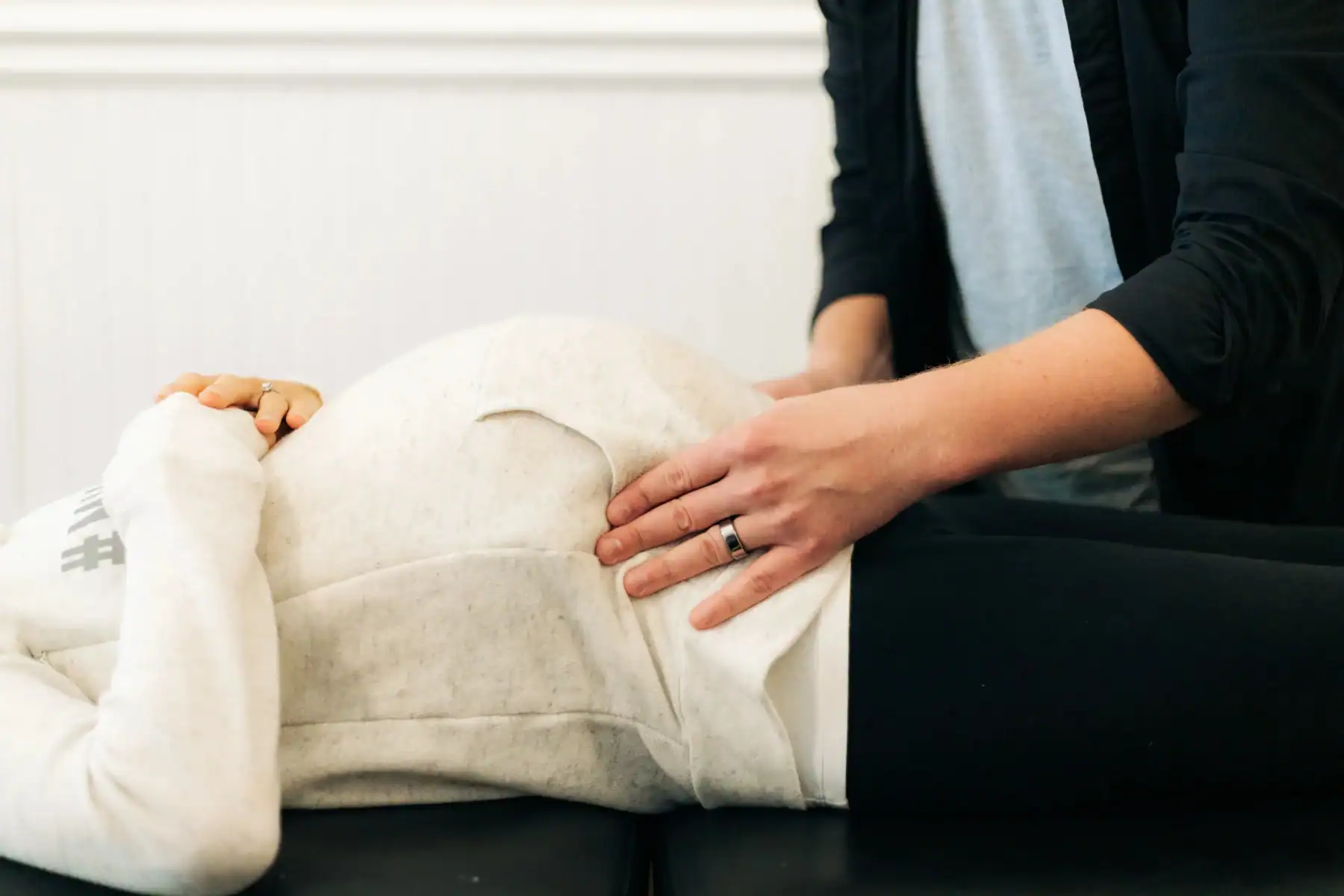
Pregnancy is a sacred time, but it often brings heightened emotional and physical stress. Since a mother’s nervous system is the first environment a baby experiences, staying out of survival mode is essential. Our prenatal care focuses on balancing the neurospinal system to help expectant mamas process stress more effectively.
By reducing interference in the nervous system, we empower mamas to navigate the transition from pre-conception to postpartum with greater resilience. This specialized support ensures a calmer environment for both mother and baby, promoting health from the very beginning.
Chiropractic for Anxiety in Kids and Teens
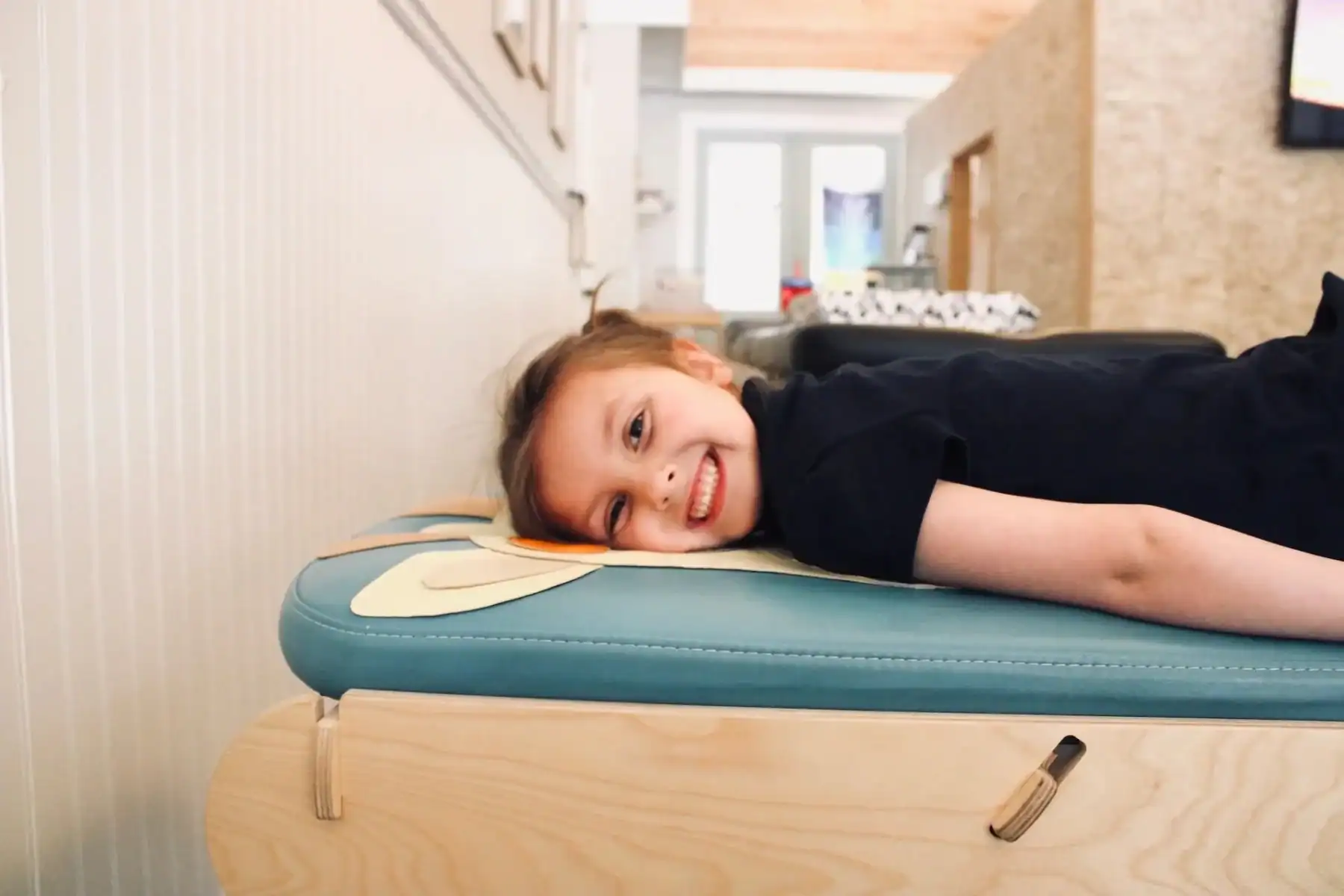
Anxiety affects the youngest members of our families, too. It is a common concern for parents who describe a child who melts down or a teenager who has not slept properly in months. The pediatric nervous system is still developing, and early disruptions in spinal alignment can affect how the brain and body communicate.
When parents look for a chiropractor for anxiety in their child, they are often looking for a path that does not start with medication. You might notice:
- Difficulty falling or staying asleep
- Emotional outbursts that feel out of proportion
- Recurring stomach aches or headaches without a clear cause
- Heightened sensitivity to noise or physical touch
These are signs of a nervous system communicating that it is carrying more than it can process. We always pace our visits around the comfort of the child.
What Chiropractic Can and Cannot Do
We believe in being honest about how we care for people. Chiropractic addresses the physical dimension of anxiety and the fight-or-flight pattern that the body cannot exit on its own. While the physiological aspect is a meaningful piece of the picture, anxiety is also shaped by thought patterns and life circumstances.
What changes with consistent care is the ground state. When the nervous system is better regulated, sleep tends to improve, and other supports like therapy tend to land more effectively.
Understanding what subluxation means for your function is often where that shift begins. For many families, the missing piece to achieving lasting calm comes from discovering how a chiropractor can help with anxiety as part of a broader health journey.
Aligning the Body to Quiet the Mind
Chiropractic care offers a way to address the physical cycle of survival mode that many people have been stuck in for years. If you feel like you have been managing anxiety from the outside in, looking at the nervous system is often where the real work begins. We believe that your body is designed to find its way back to a state of calm and connection.
This perspective is vital when exploring how chiropractors help anxiety, as it moves the focus to the root of the problem: a regulated and healthy nervous system. When you are ready to explore a different way of healing, our chiropractor in Chesterton is here to support you and your family.
FAQs About Chiropractic Care and Anxiety
Does chiropractic work like a cure for anxiety?
No. When people say, “my chiropractor cured my anxiety”, what’s more accurate is that care helped regulate their nervous system, which changed how anxiety showed up in daily life.
How long before anxiety starts to shift?
It depends on how long the nervous system has been dysregulated. Some people notice changes in sleep or physical tension within the first few visits, while deeper shifts typically take several consistent weeks of care.
Can a chiropractor help with anxiety in a child?
Yes. Dr. Angelo works regularly with children carrying anxiety, using gentle, age-appropriate techniques built around the same nervous system principles as adult care.
