

What is a pediatric chiropractor? They’re a licensed Doctor of Chiropractic with specialized training in caring for children’s spines and nervous systems using gentle, age-appropriate techniques. Unlike standard chiropractic care, this approach focuses on the nervous system as the body’s master controller, addressing root causes rather than managing symptoms.
Chiropractic care for children is more widely used than many parents realize. Estimates suggest 8 to 15 percent of all chiropractic visits in the United States involve pediatric patients. The International Chiropractic Pediatric Association (ICPA) provides one of the most recognized credentials in this field, with certified practitioners completing advanced coursework specifically in pediatric and perinatal care.
The Root Cause Approach: Why the Nervous System Matters
At Adjusted Living Chiropractic in Chesterton, Indiana, the nervous system is the foundation of everything we do. As neurologically-focused pediatric and family chiropractors, we go beyond surface symptoms to identify the root cause of each child’s unique health challenges, even for complex cases, including autism, epilepsy, and special needs.
When a child’s nervous system becomes locked into a state of constant stress known as sympathetic dominance, it disrupts nearly every other system in the body:
- Digestive and gut health
- Immune function and illness frequency
- Sleep regulation
- Focus and behavior
- Emotional regulation and mood
This buildup of nervous system stressors, sometimes called the Perfect Storm, often begins as early as birth and compounds over time if left unaddressed.
What Nervous System Imbalance Looks Like in a Child
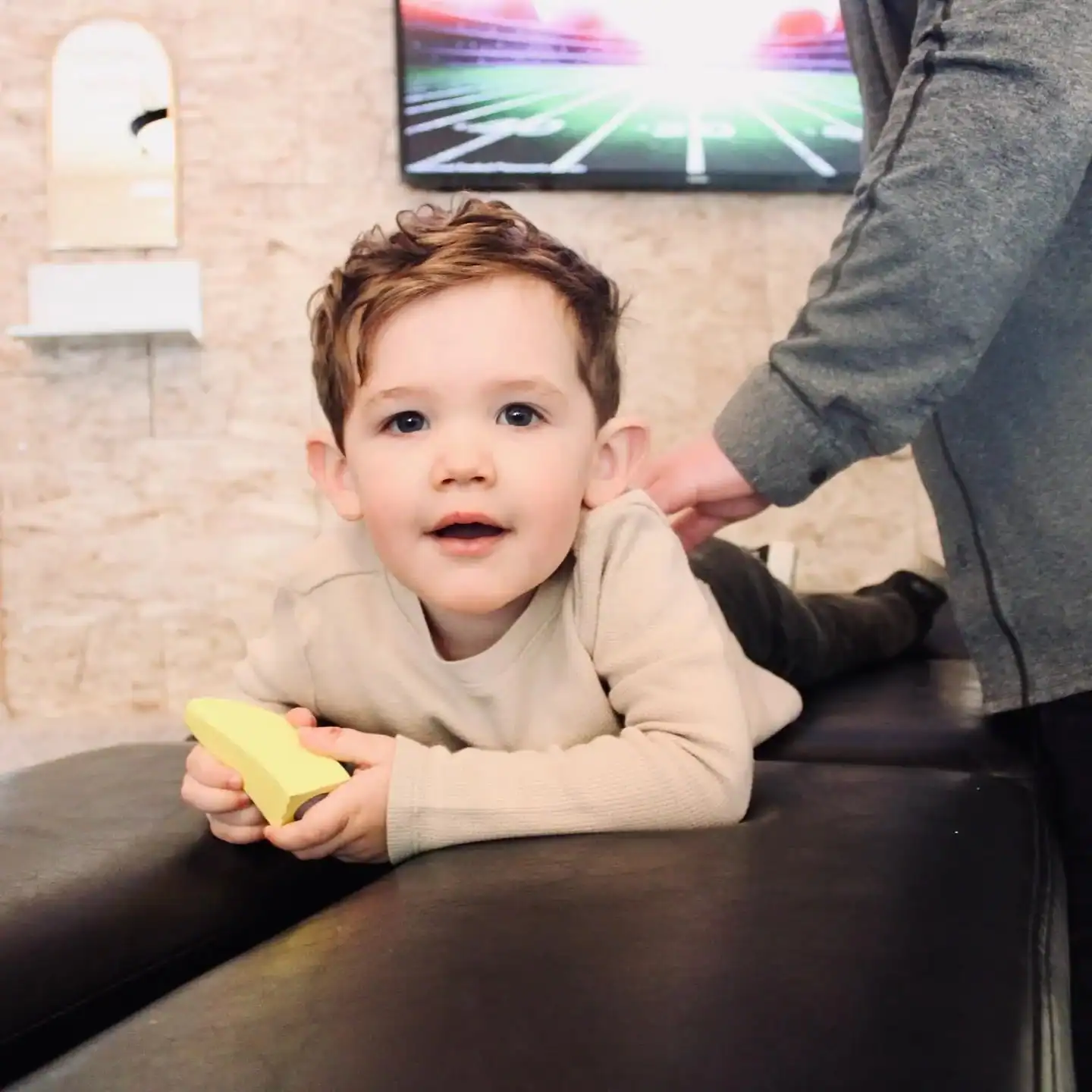
Sympathetic dominance does not always look like stress. In children, it looks like the kid who gets sick every other month, the toddler who never sleeps through the night, or the child whose emotional reactions seem far bigger than the situation warrants.
The structural explanation: a disruption in the upper cervical spine can affect the vagus nerve, which directly influences digestion, heart rate, and immune signaling. This is why a spinal issue can show up as a gut problem, a behavioral challenge, or a recurring illness.
Conditions Pediatric Chiropractic Care Commonly Supports
The goal is never to claim a cure; it’s to reduce nervous system interference so the body can regulate and heal more effectively on its own.
- Newborns and Infants: Colic, reflux, latching difficulty, disrupted sleep, torticollis, and birth trauma recovery.
- Toddlers and Young Children: Recurrent ear infections, constipation, sensory processing challenges, and delayed developmental milestones.
- School-Age Children: ADHD-like focus challenges, immune resilience, posture concerns, and growing pains.
- Teens: Sports-related tension, scoliosis screening, recurring headaches, and stress-related symptoms including anxiety and sleep difficulty.
The research base for musculoskeletal concerns and colic is well established. For behavioral and neurological conditions, evidence is still emerging, though many families report meaningful improvements. According to a national study using CDC data, 3.4% of children (around 2 million) used chiropractic care in a given year, with adolescents aged 12 to 17 significantly more likely to seek care (5.1%) than younger children aged 4 to 11 (2.1%).
Is Chiropractic Care Safe for Children?
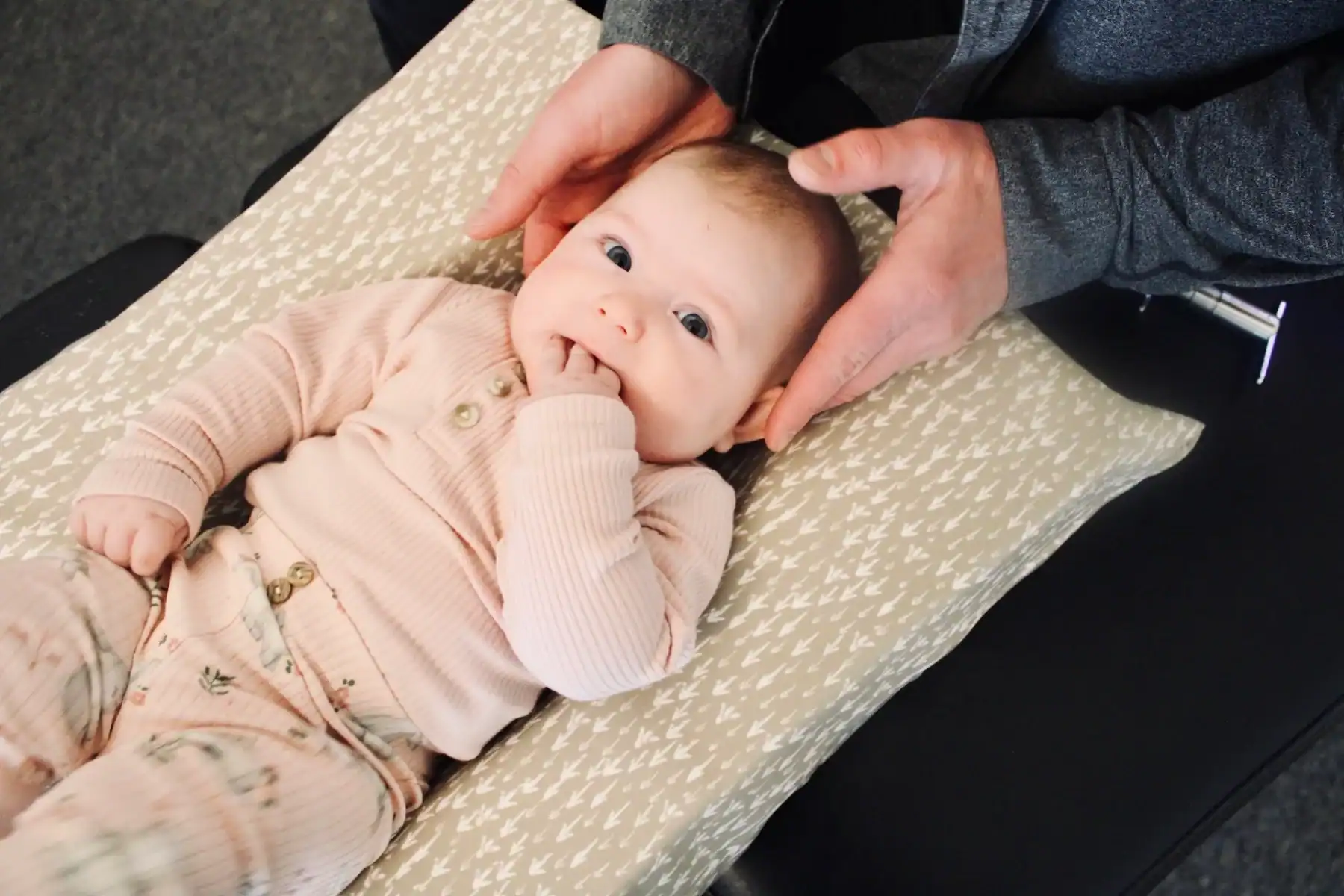
Yes, when performed by a properly trained practitioner. Pediatric adjustments are nothing like adult adjustments. For newborns, the pressure involved is no more than gentle fingertip contact. Techniques scale with the child’s age and size, always remaining far lighter than adult care.
Before any adjustment, a qualified chiropractor screens for contraindications, including fractures, active infections, and bleeding disorders. Adverse events are rare in the published literature and are almost always linked to unqualified practitioners. Chiropractic care is designed to complement (not replace) conventional pediatric medicine.
Chiropractic Care at Every Stage of Childhood
- Newborns and Infants (0-12 months): Even a healthy birth places significant stress on a newborn’s head, neck, and upper spine. The evidence for chiropractic care and colic is among the strongest in pediatric research.
- Toddlers (1-3 years): Rapid neurological development and constant falls make this a meaningful window for nervous system assessment. Common concerns include ear infections, constipation, and early sensory processing challenges.
- School-Age Children (4-11 years): Heavy backpacks, long hours sitting, and screen time all affect spinal alignment and nervous system tone. Focus challenges, posture concerns, and immune resilience are the most common presenting issues.
- Teens (12-17 years): Techniques are closer to adult care but still modified for developing spines. Sports injuries, scoliosis screening, and stress-related symptoms are the most frequent reasons teens seek care.
How to Find a Qualified Pediatric Chiropractor

A standard Doctor of Chiropractic degree does not include pediatric specialization. Look for:
- ICPA certification or CACCP/FICPA designations
- Postgraduate training in prenatal and pediatric care
- PX Docs certification: the only neurologically focused pediatric chiropractic credential in the Chesterton and Porter County area
Green flags: Uses INSiGHT scanning or HRV testing; explains assessment before recommending care; provides a clear care plan with realistic timelines.
Red flags: Discourages conventional medicine; claims chiropractic can cure diagnosed conditions; pushes long care commitments before completing an assessment.
Dr. Ryan Angelo at Adjusted Living brings over seven years of focused experience in neurologically-focused pediatric and family chiropractic care.
Your Child’s First Visit: What to Expect
- Health History
A detailed intake covering pregnancy, birth experience, developmental milestones, and current health concerns. Birth history matters because birth trauma is one of the most common early sources of spinal stress in children. - Neurological Assessment
At Adjusted Living, we use INSiGHT scanning — HRV, EMG, and rolling thermography — to show exactly where the nervous system is under stress. - Physical Examination
Posture, spinal alignment, range of motion, and muscle tone are all assessed for the child’s specific age and stage. - Care Recommendations
Clear findings, a transparent care plan, realistic timelines, and defined ways to measure progress. - The First Adjustment
For infants and young children, this involves no sudden movements or forceful manipulation. Most children find it calming.
How Pediatric Chiropractic Works Alongside Conventional Medicine
Vaccinations, sick visits, diagnostics, and emergency care belong with your pediatrician. Chiropractic care fills the gap when conventional medicine addresses the symptom, but the underlying nervous system cause goes unresolved.
Consider chiropractic care alongside your pediatrician when:
- Recurring conditions keep returning despite medical care
- Behavioral or neurological challenges are being managed primarily through medication
- Digestive issues persist without a clear medical explanation
Consider chiropractic care for ongoing wellness when:
- Concerns are postural or musculoskeletal
- You want drug-free neurological support for an otherwise healthy child
At Adjusted Living, the goal is to work alongside your family’s full care team, not to replace any part of it.
Real Families, Real Results
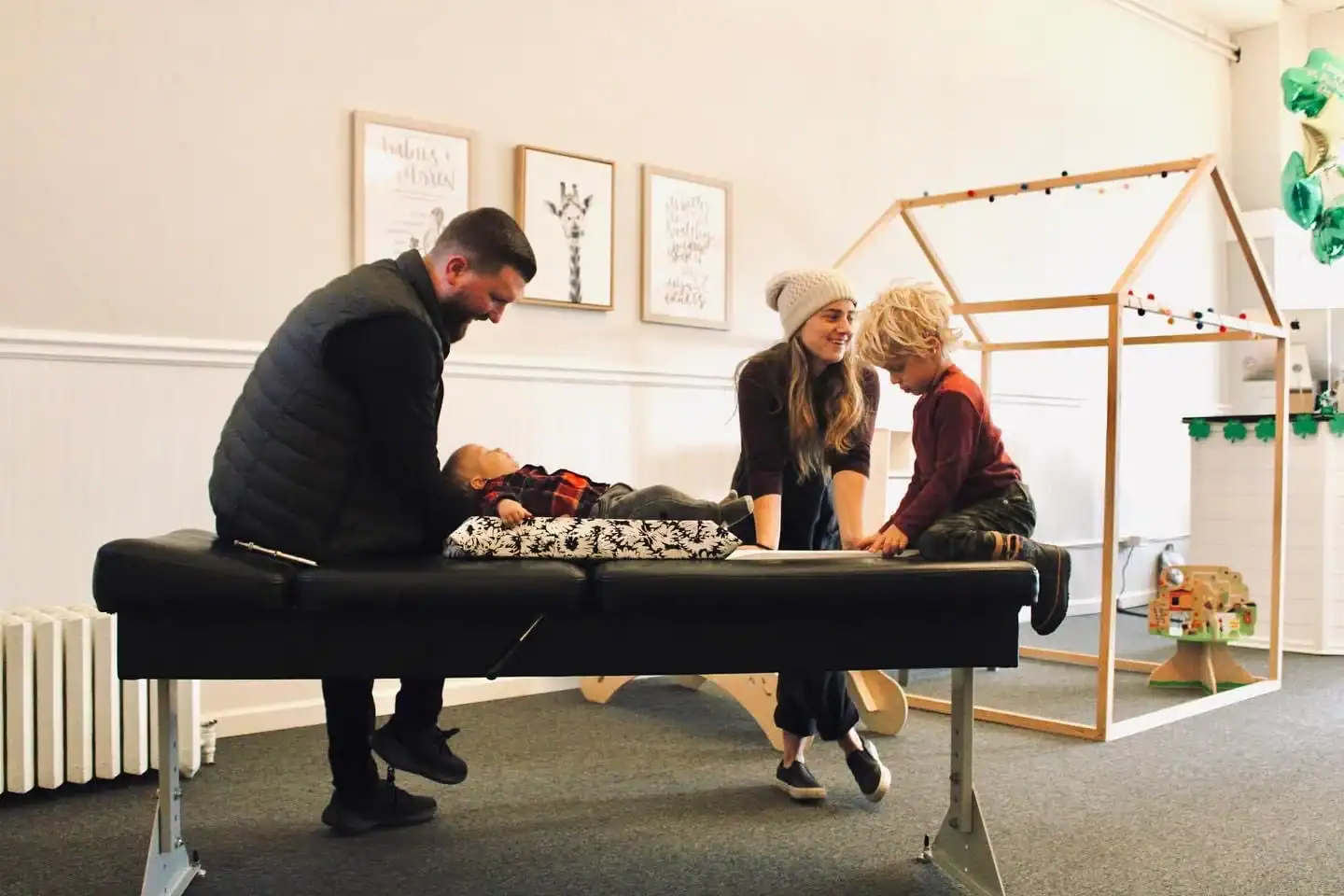
Individual results vary. These are illustrative examples, not guarantees. Read full stories from families in our community on our Stories of Hope page.
- The Toddler With Recurring Ear Infections: Neurological assessment revealed upper cervical stress directly connected to lymphatic drainage around the ears. After several weeks of gentle adjustments, infection frequency dropped significantly and sleep improved.
- The School-Age Child With Focus and Regulation Challenges: INSiGHT scanning revealed a nervous system in sympathetic overdrive. Within eight to ten weeks, both parents and teachers reported measurable improvements in focus and self-regulation.
- The Newborn With Colic and Latching Difficulty: Upper cervical tension consistent with a difficult delivery was identified. Within the first few visits, feeding improved on both sides, and the infant began settling into longer sleep stretches.
Key Takeaways
- A pediatric chiropractor uses gentle, age-appropriate techniques to support children’s spines and nervous systems.
- Nervous system stress affects digestion, immunity, sleep, focus, and mood. Addressing root causes matters more than managing symptoms.
- Pediatric chiropractic supports conditions across every age group, from infant colic to teen sports injuries.
- Look for ICPA, CACCP, or PX Docs certification. Avoid providers who dismiss conventional medicine or pressure long commitments before assessment.
- Chiropractic care works best alongside conventional medicine — not instead of it.
If you are ready to explore neurologically-focused pediatric chiropractic care for your child, request an appointment at Adjusted Living Chiropractic in Chesterton, Indiana.
