
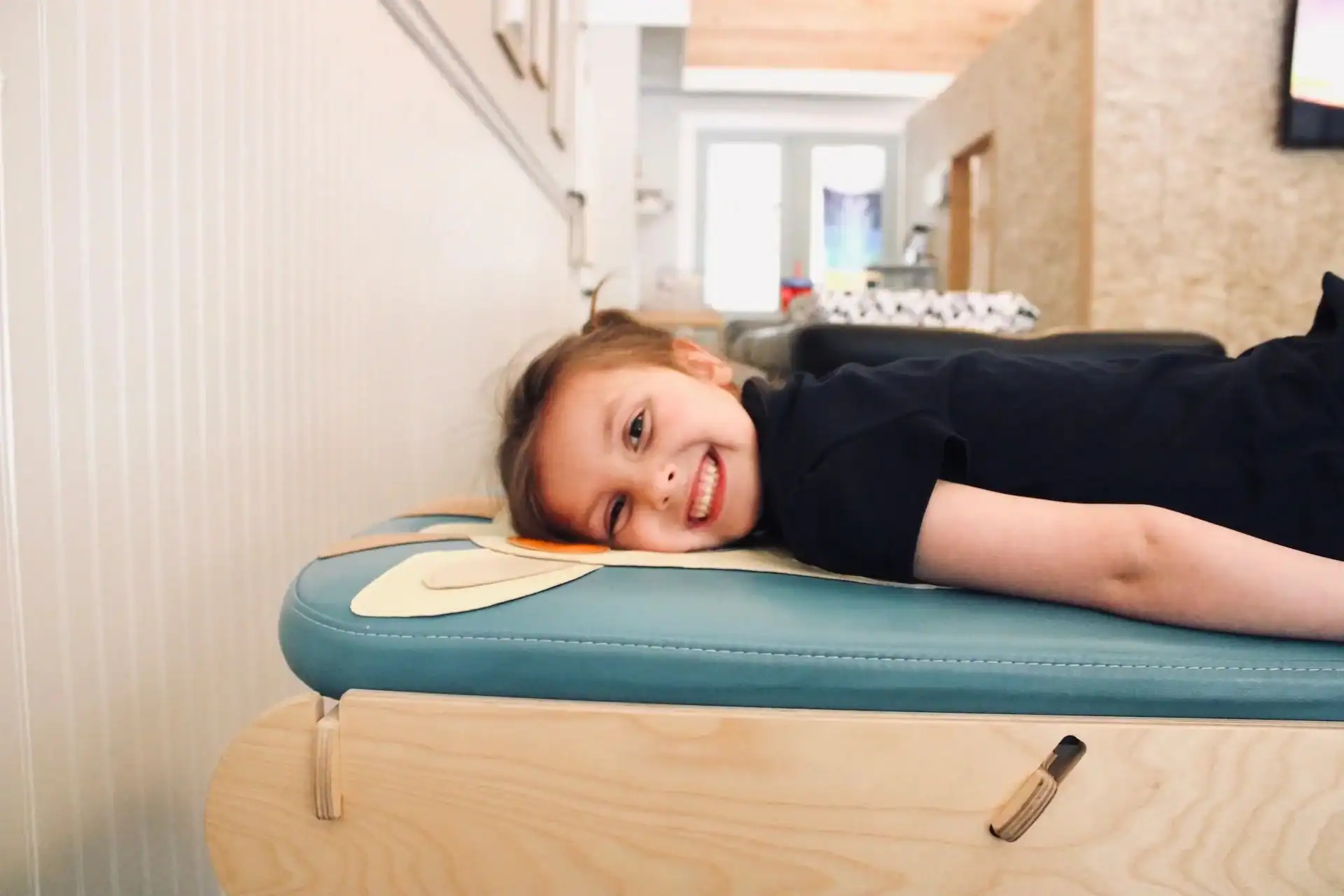
TLDR: Yes, kids can go to a chiropractor, and millions of American families already do. Whether chiropractic care is the right fit for your child depends on their specific needs, the chiropractor’s training, and whether a proper medical evaluation has already been done. This article gives you an honest, side-by-side look at both options so you can make a genuinely informed decision.
Chiropractic Care for Children: More Common Than You Might Think
The numbers behind this trend make sense. According to a peer-reviewed study published in BMC Musculoskeletal Disorders, over 8% of children aged 3-17 consulted a healthcare provider for a musculoskeletal problem in a single year, making it one of the most common reasons kids seek care. This is why so many parents are exploring chiropractic care as one option for their kids. When so many children are living with a musculoskeletal issue, families naturally start asking questions about what else is available beyond standard pediatric medicine.
Parents bring their children to chiropractors for a wide range of reasons: from back pain and sports injuries to colic issues, postural concerns, and developmental challenges. The motivations are as varied as the children themselves.
This isn’t just an American pattern. A multinational survey published in the Journal of Manipulative and Physiological Therapeutics found that 90.4% of chiropractors across 17 countries accept pediatric cases, suggesting that caring for children is a standard part of chiropractic practice worldwide.
This article doesn’t aim to sell you on chiropractic care or talk you out of it. The goal is to give you a clear, fair comparison of chiropractic care for children versus conventional pediatric medicine, so you can ask better questions and make the best choice for your family.
Chiropractic Care vs. Conventional Pediatric Medicine
Understanding your options means looking at both paths through the same lens. Here is a direct comparison across the criteria that matter most to parents considering whether to take their child to a chiropractor.
| Criteria | Chiropractic Care | Conventional Pediatric Medicine |
|---|---|---|
| Core training (pediatrics) | ~60 hours pediatric instruction in standard DC program | 900+ hours pediatric focus; 3-year residency for pediatricians |
| Approach to health | Nervous system and musculoskeletal function | Diagnosis-driven; medical and pharmaceutical intervention |
| Evidence base for kids | Stronger for musculoskeletal complaints; limited for systemic conditions | Extensive for most conditions; large randomized controlled trials available |
| Common methods | Spinal adjustment, soft tissue work, low-force techniques | Physical exam, imaging, medication, surgical referral |
| Safety profile | Low adverse event rate for musculoskeletal; higher risk with cervical manipulation in infants | Risk varies by intervention; significant evidence base for most approaches |
| Conditions best suited for | Back pain, neck stiffness, postural issues, sports injuries, adjunctive developmental support | Systemic illness, infections, undiagnosed conditions, emergencies, anything needing imaging |
| Works with other providers | Varies by practitioner; the best providers communicate actively with pediatricians | Standard of care includes specialist referral and collaborative communication |
| Pediatric-specific licensure | Not required in most US states | Required; board certification in pediatrics mandated |
Chiropractors and pediatricians are trained very differently. A pediatrician spends years in residency focused specifically on children, from newborn physiology to adolescent development. A chiropractor receives around 60 hours of pediatric instruction as part of a broader four-year doctoral program. That gap in specialty training matters, and parents deserve to know it exists.
Chiropractic care and conventional pediatric medicine are not always in competition. For musculoskeletal complaints, experienced pediatric chiropractors offer something most pediatricians do not specialize in: hands-on structural assessment and gentle manual care for the spine and surrounding tissue. The two approaches can genuinely complement each other when providers are willing to communicate.
What Training Does a Pediatric Chiropractor Actually Have?
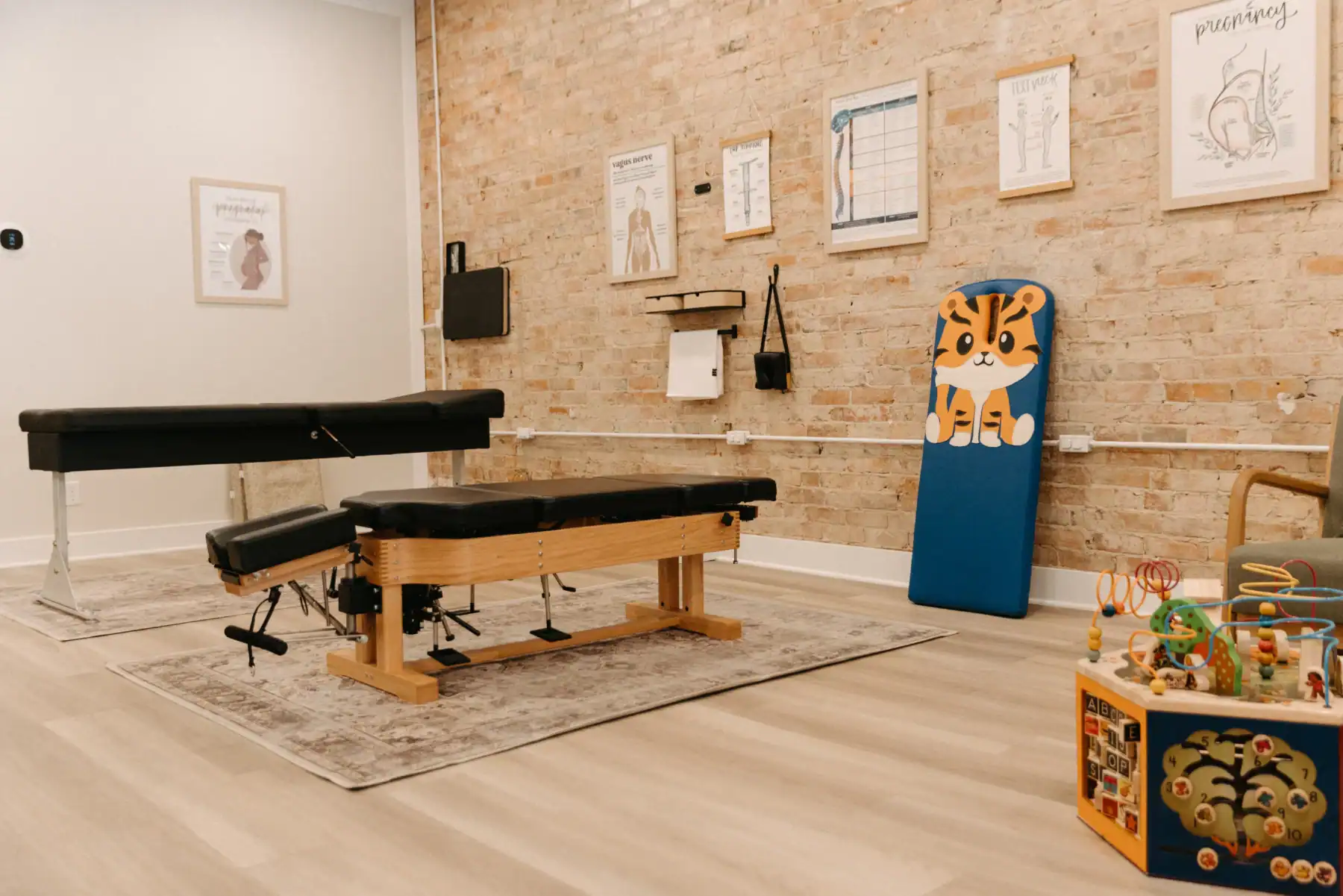
Most chiropractors receive approximately 60 hours of pediatric instruction during their doctoral program, compared to the 900-plus hours of pediatric-focused training that pediatricians receive, followed by a three-year residency. In most US states, there is no pediatric-specific licensure requirement for a chiropractor to work with children.
Some chiropractors pursue additional voluntary training through the International Chiropractic Pediatric Association (ICPA), which offers a Diplomate program requiring hundreds of additional hours of study specifically in pediatric care. This credential represents a meaningfully different level of preparation than a general practitioner who occasionally sees children.
Beyond that, certain neurologically focused chiropractic programs, like the PX Docs certification, provide advanced, specialized training for caring for children with complex neurological needs. Providers who hold this certification have made a significant investment in understanding the developing nervous system and how to support it gently and effectively.
Pediatric orthopedic surgeons and developmental pediatricians go further still, completing residency and fellowship programs focused specifically on child development, musculoskeletal conditions, and neurological function in young patients.
The bottom line: not all chiropractors caring for children have the same level of preparation. Voluntary advanced certifications exist and signal a practitioner who has genuinely invested in pediatric-specific expertise.
What Does the Research Actually Say?
The research base for chiropractic care of children is real but uneven. Most pediatric chiropractic studies involve small case series (sometimes just one or two patients) making it difficult to draw broad conclusions. Pediatric medical literature, by contrast, includes large randomized controlled trials across most common childhood conditions.
For musculoskeletal complaints, including back pain and neck pain in older children and teens, the evidence supporting chiropractic care is more solid. These are structural problems, and the rationale for gentle manual care is clinically reasonable.
For systemic conditions like ear infections, colic, and asthma, the evidence is considerably weaker. A frequently cited study on colic and spinal manipulation showed improvement, but methodological issues, including problems with blinding, make those findings difficult to interpret. Colic and many ear infections also tend to resolve on their own, which complicates any study trying to show that an intervention made the difference.
The honest summary: chiropractic care in children is better supported by research for spine-related complaints than for conditions affecting organ systems or immune function. Parents should weigh that distinction carefully.
Is Chiropractic Safe for Children? Real Risks and Benefits
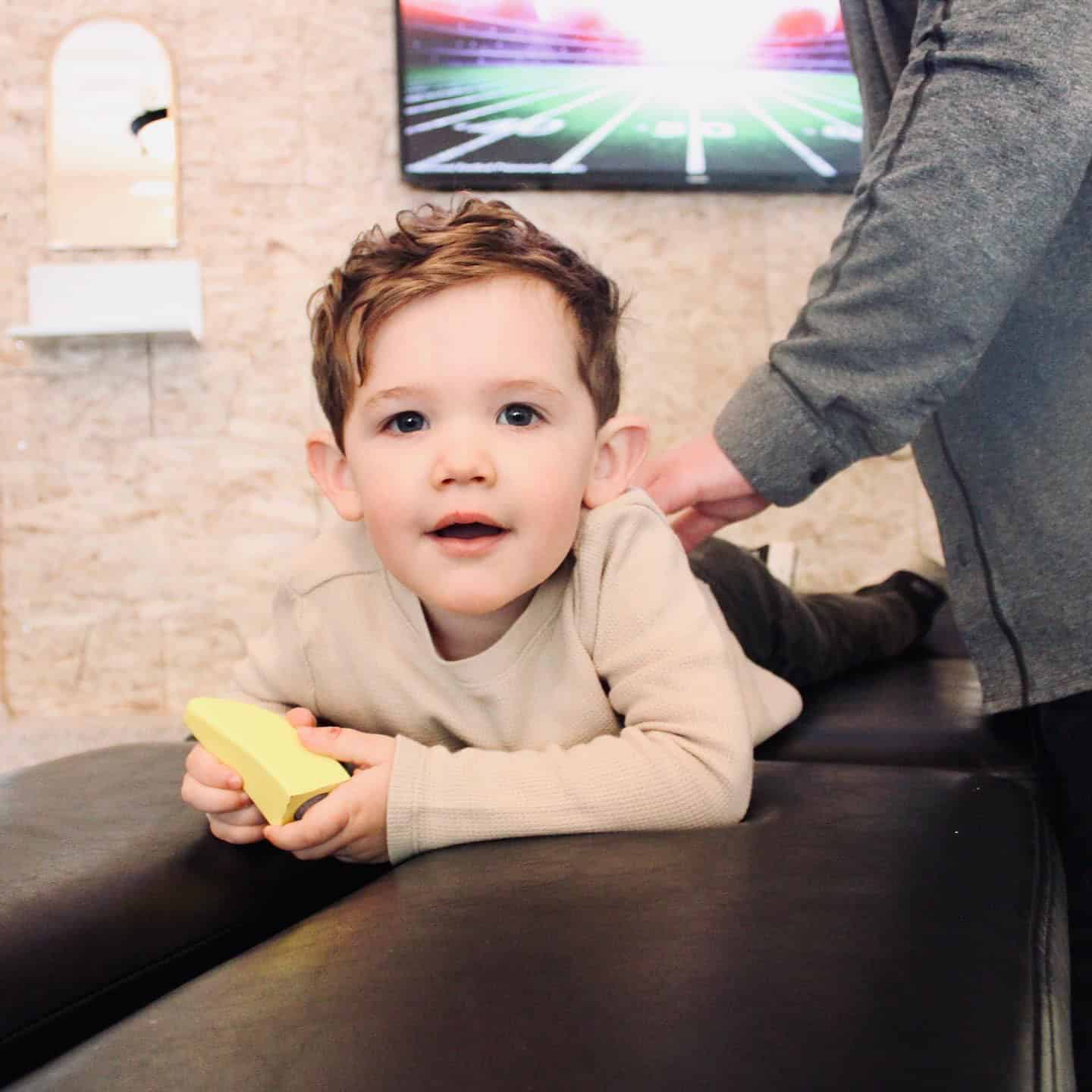
Chiropractic care is generally considered low-risk for older children and teenagers with musculoskeletal complaints, but the safety picture is more nuanced for infants and for certain techniques.
There is also a less-discussed but equally important concern: delayed or missed diagnosis. When a parent brings a child to a chiropractor before getting a proper medical evaluation, underlying conditions that require imaging or medical care can go undetected. A child with an undiagnosed spinal condition is not well-served by manual care alone, and a delay in identifying it can matter significantly.
On the benefit side, adverse event rates for musculoskeletal chiropractic care in school-aged children and adolescents appear to be low when performed by experienced practitioners using age-appropriate techniques. For a teenager with chronic low back pain from sports, the risk profile of a gentle tonal adjustment looks quite different from cervical manipulation of a newborn.
The key variables are the child’s age, the specific technique used, the body region being worked on, and whether a medical evaluation has already ruled out contraindications. Chiropractic care for children should never be the first step when a diagnosis has not yet been established.
Always start with a pediatrician consultation. That conversation is the most effective safety measure available to parents.
When Chiropractic Care Makes Sense for Kids
Chiropractic care for kids is not a one-size-fits-all answer, and the right choice genuinely depends on what is going on with your child.
Where Chiropractic Care Has Reasonable Support

Musculoskeletal complaints are where chiropractic care has the clearest rationale for children. Back pain, neck stiffness, postural imbalances, and sports-related muscle and joint strain in older children and teens fall into this category. These are structural concerns, and a chiropractor trained in pediatric technique can assess and address them in ways that most pediatric primary care visits do not.
Postural concerns are increasingly common in school-aged children, particularly as kids spend more time at desks and on screens. A chiropractor who works with children regularly can evaluate spinal alignment, identify areas of restriction, and provide gentle adjustments that support better posture over time.
Many families also seek neurologically focused chiropractic care for children navigating challenges like ADHD, sensory processing differences, and developmental delays. At Adjusted Living, the focus is on supporting the nervous system, not on diagnosing or claiming to fix those conditions.
When Conventional Medicine is the Clear Choice
There are situations where a medical doctor is the only appropriate first call. Parents need a clear list.
Absolute contraindications for chiropractic care in children:
- Fractures or suspected fractures in the area to be worked on
- Spinal infections (osteomyelitis, discitis)
- Bone tumors or cancer involving the spine
- Neurological deterioration, including new weakness, numbness, or coordination problems
- Symptoms of spinal cord compression: changes in bowel or bladder function, leg weakness, loss of sensation
- Bleeding disorders or anticoagulant use
- Conditions involving spinal cord compression or instability
- Undiagnosed fever or signs of systemic infection
- Any situation where a diagnosis has not yet been established
For systemic conditions like asthma, ear infections, and colic, the evidence for chiropractic intervention is insufficient to recommend it as a primary approach. These conditions may also resolve on their own, and parents should not forgo conventional evaluation in favor of manual care.
The clearest rule: chiropractic care should complement, not replace, your child’s relationship with their pediatrician. If you do not yet have a diagnosis, get one first.
Common Myths About Chiropractic Care for Children

Parents encounter a lot of competing claims about chiropractic care for children, and not all of them hold up. Here is what the evidence actually shows.
Myth: Chiropractors can cure ear infections.
Fact: There is no rigorous evidence supporting this claim. Ear infections, particularly in young children, frequently resolve on their own without any intervention. Studies on chiropractic manipulation and ear infections have been small and inconclusive. Repeated ear infections in a child should be evaluated by a pediatrician or ENT specialist.
Myth: Spinal adjustments are the same for children as they are for adults.
Fact: Pediatric adjustments use significantly less force and different techniques than adult adjustments. The infant and child spine requires a completely different approach: gentle tonal techniques rather than the high-velocity methods sometimes used for adults. The specific approaches used still vary between practitioners, which is why evaluating your chiropractor’s pediatric experience matters.
Myth: Correcting subluxations automatically boosts the immune system.
Fact: The relationship between nervous system function and immune response is a legitimate area of research, but the claim that spinal adjustments directly boost immunity is not well-supported by clinical evidence. Neurologically focused chiropractic care is designed to support how the nervous system functions — not to make specific immune outcome claims.
Myth: Chiropractic is a proven solution for colic.
Fact: Some studies on colic and spinal manipulation have shown improvement, but these studies have notable methodological limitations, including blinding issues that make it hard to rule out placebo effects. Colic also typically resolves on its own by around four months of age, which complicates the interpretation of any intervention’s effectiveness.
Myth: Any licensed chiropractor is qualified to work with my child.
Fact: Standard chiropractic licensure does not require pediatric-specific training in most US states. Practitioners who have completed the ICPA Diplomate program, the PX Docs certification, or an equivalent advanced pediatric program represent a meaningfully higher level of preparation. Chiropractic care for children is best provided by someone who has actively pursued that specialization, like our team at Adjusted Living.
How to Choose a Pediatric Chiropractor

If you decide that chiropractic care is appropriate for your child, choosing the right practitioner matters enormously. Not all chiropractors who see children have the same depth of pediatric training, and a practice that specializes in pediatric and family care looks very different from a general practice visit.
Here is what to look for when vetting a pediatric chiropractor:
Credentials and Certification
Ask whether the chiropractor holds an ICPA Diplomate, a PX Docs certification, or an equivalent neurologically focused pediatric credential. These are voluntary but meaningful signals that the practitioner has invested in pediatric-specific training beyond their basic license.
Years of Pediatric Experience
Ask directly: how many years have you worked specifically with children? An experienced pediatric chiropractor will be comfortable answering this in detail.
Willingness to Collaborate With Your Child’s Pediatrician
This is a non-negotiable green flag. A chiropractor who is unwilling to communicate with your child’s medical team is a concern. The best outcomes happen when providers talk to each other.
Thorough Intake Before Any Care Begins
A qualified pediatric chiropractor should complete a detailed health history, including birth history for infants, before beginning any care. With our chiropractor in Chesterton every new patient begins with INSiGHT neurological scanning (HRV, EMG, and thermography) so Dr. Ryan can see exactly what the nervous system is doing before any adjustment takes place. If a practitioner skips the intake entirely, that is a significant warning sign.
Measured Claims
Be cautious of any practitioner who promises to resolve systemic conditions through spinal care alone. Credible pediatric chiropractors make careful, evidence-aligned claims and are transparent about what chiropractic care can and cannot do.
Questions to Ask Your Pediatrician Before Considering Chiropractic
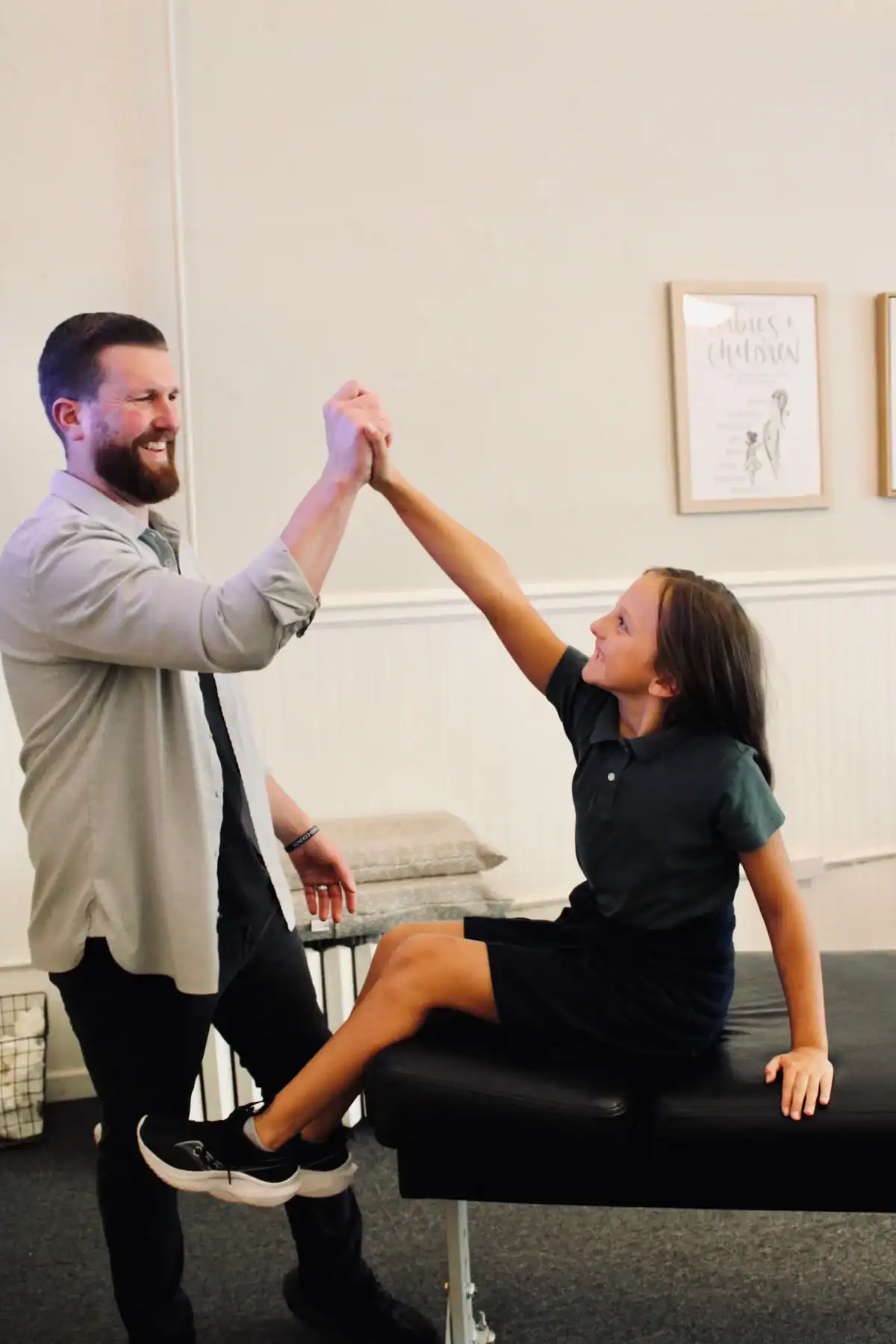
Every top source on pediatric chiropractic says the same thing: see your pediatrician first. But few sources tell you what to actually say when you get there. Here is a practical checklist you can bring to that appointment.
1. Is my child’s condition musculoskeletal, or could it have an underlying systemic cause?
This is the foundational question. Chiropractic care is an appropriate option for structural and mechanical concerns. If there is any possibility of an underlying medical condition driving the symptoms, that needs to be ruled out first.
2. Should we complete any imaging or diagnostic tests before considering chiropractic care?
Some conditions that appear to be musculoskeletal can involve fractures, tumors, or spinal instability that would make manual care contraindicated. Your pediatrician is the right person to determine whether imaging is warranted before you move forward.
3. Are there any contraindications specific to my child’s health history?
Children with bleeding disorders, certain connective tissue conditions, or a history of spinal abnormalities may have specific reasons to avoid manipulation. Your pediatrician has access to your child’s full health history and can flag concerns a chiropractor may not be aware of.
4. Would you be willing to communicate with a chiropractor if I decide to pursue that route?
Asking this question early sets the expectation for collaborative care. Most pediatricians are open to this conversation, and providers who communicate produce better outcomes for children.
5. What are the conventional options for this condition, and what does the evidence say for each?
Understanding the evidence base for conventional options gives you a fair basis for comparison. You should understand what mainstream medicine offers before deciding whether to complement it with chiropractic care.
Bringing these questions to your appointment positions you as an informed parent and opens the door to a productive conversation. The goal is not to pit chiropractic care against conventional medicine. The goal is to build a team around your child that communicates well and puts their needs first.
If you’re considering pediatric chiropractic care for your child in Chesterton, Indiana, we’d love to connect. At Adjusted Living Chiropractic, Dr. Ryan and our team take a neurologically focused, drug-free approach designed for children from infancy through the teen years. We work collaboratively with your existing healthcare providers.
Request an appointment to get started.
Key Takeaways
- Yes, kids can see a chiropractor. Approximately 11% of chiropractic patients are already children or adolescents. Whether it is the right fit depends on the child’s specific condition and the practitioner’s qualifications.
- Chiropractic care has the strongest support for musculoskeletal complaints like back pain, neck stiffness, and postural concerns in older children and teens. Evidence for systemic conditions like ear infections and colic is limited and methodologically inconsistent.
- Standard chiropractic licensure does not require pediatric-specific training in most US states. Look for voluntary certifications, such as the ICPA Diplomate or PX Docs certification, as signals of specialized preparation.
- Absolute contraindications, including fractures, spinal infections, bone tumors, neurological deterioration, and undiagnosed symptoms, should be ruled out by a pediatrician before any chiropractic care begins.
- The best outcomes happen when chiropractors and pediatricians communicate. Chiropractic care should complement, not replace, your child’s relationship with their primary care provider.
